Perhaps e-commerce has never been discussed as much as it has been during the COVID-19 pandemic. This sales channel, while already important, gained unexpected relevance and its growth accelerated as physical points of contact with customers closed.
Consequently, due to the special circumstances that have shaken the global economy, people are now massively searching online for products or services that satisfy their needs, and that's where you should be offering your solution. That's why it's vital to stay up-to-date and optimize your e-commerce website by working on SEO and conducting your own UX Research (user experience research) to capture search intentions.
Here we will look at a series of actions you can take autonomously, and if you want to delve deeper, we recommend continuing with the article Improve your e-commerce user experience (UX) today.
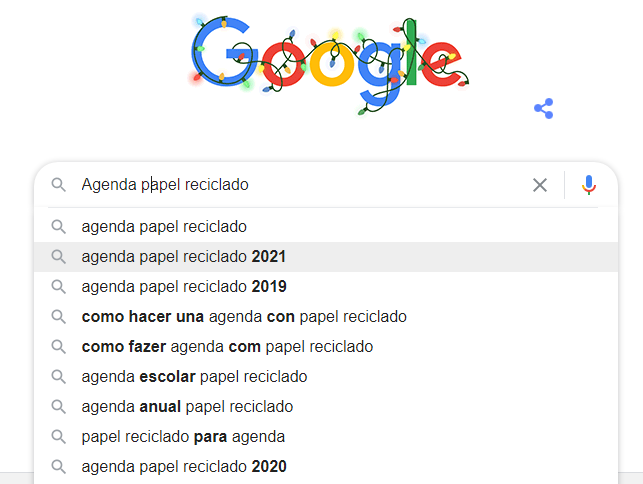
To rank in Google search results, it's essential to optimize your content. The first thing you should do is conduct UX Research on search intentions, meaning, investigate what words and keywords users use to search for products or services like yours. Make it easy and use Google's own search engine: look at the suggestions that appear in the search bar and the related searches shown at the bottom of the results page. Then, use what you've learned when writing your content.
With the previous exercise, you'll understand that users prefer to search by entering concepts and solutions into Google. For example: "2021 recycled paper planner." To better understand how people search, you can use an online tool like Ubersuggest for your UX Research, which offers a free option. Additionally, if you want to learn how to research to understand what people search for online, we invite you to participate in the free challenge Discover business opportunities.
3. Define for which stage of the buyer's journey you will create your content.
A person begins by becoming aware of a need, then considers a solution, and finally decides to purchase. Find the right keywords for the stage you're addressing, as a person who is just realizing they need a paper planner won't search for the same thing on Google as someone who has already decided they will buy one made with recycled materials and decorated with a vintage design, for example.
4. Optimize your content to make it discoverable by people.
As we said at the beginning, it's vital to optimize your content by working on SEO, and never forget that the goals are: to rank, facilitate search, and capture traffic. Use the keywords you discover in your research, but in a moderate and coherent way, as Google's algorithms can distinguish between naturally written text and text that only aims to rank the page.
5. You must encourage people to click on your page among all their search results.
At this point, we're talking about a very important aspect of SEO work: optimize your titles and meta descriptions with keywords and calls to action. What are we talking about? These are the texts that appear in Google search results as the title and summary of the page's content.
You'll see the fields for this content when using your website's administrator each time you create or edit a page. Place keywords at the beginning and adhere to the appropriate character count, as this ensures that the title and meta description are fully displayed in Google search results. For the latter, you can use the online tool Seomofo, where you'll immediately see how the title and meta description will appear.
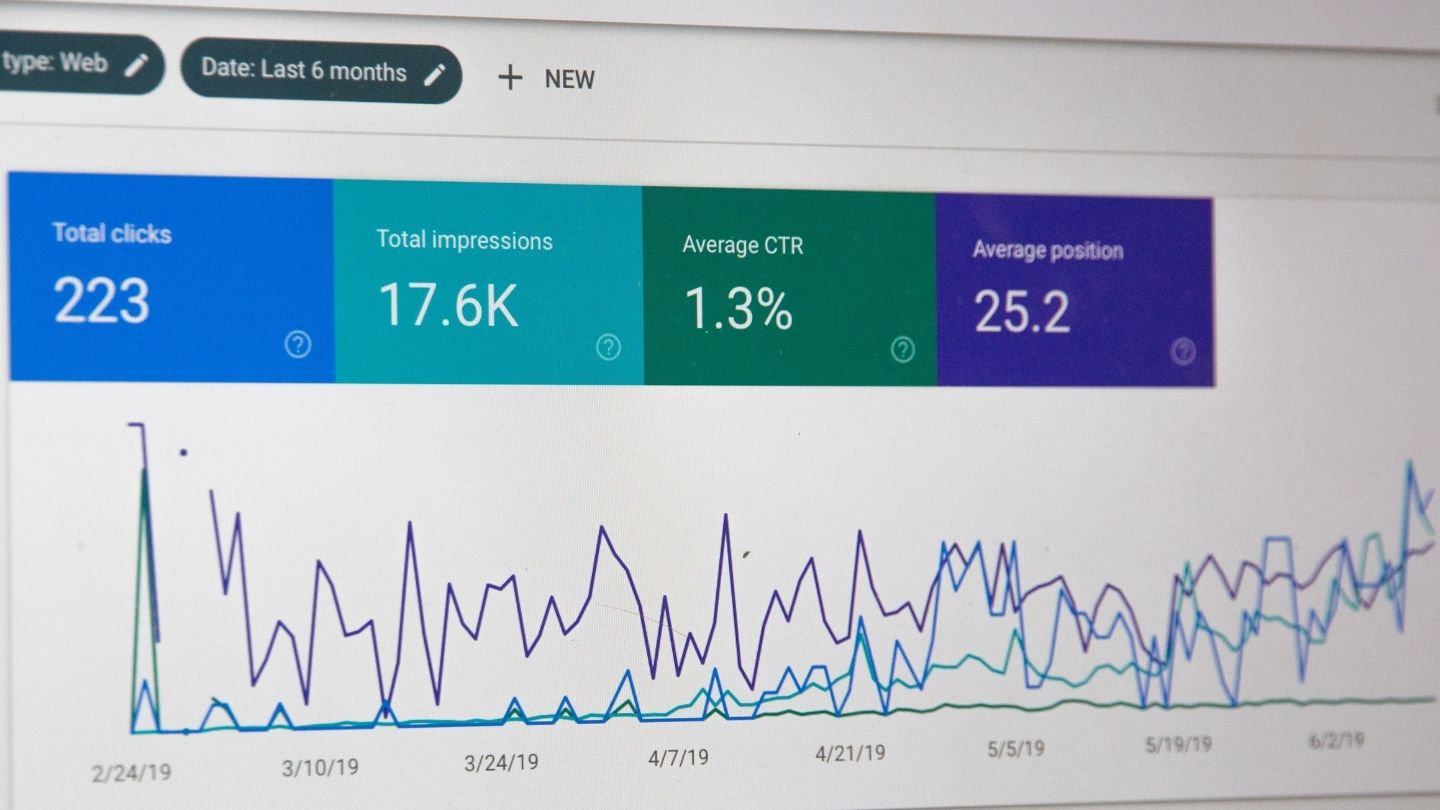
Have you looked at your bounce rate in your Google Analytics account? In case you didn't know, it's a metric that tells us that people are not consuming our content. A bounce occurs when a single-page session happens on your website, meaning, when the user enters but does not continue browsing. For example, when a person opens only one page on your website and immediately leaves without taking any action. What's happening? It's likely that users are abandoning your pages because you include keywords that are not related to the content, there's a loading delay, or there are navigation errors. Check your bounce rate and investigate what's happening if you detect it's very high.
Another relevant Google Analytics metric that you should value, because it will tell you if your content is valuable enough for users to stay reading and shopping on your e-commerce site.
This will help you gauge if you're on the right track, and incidentally, Google likes pages that contain real user comments, so it will help you with SEO. Therefore, use your product packaging and thank you cards to invite customers to review you every time you make a sale. Also, include an automated message of this type in your email marketing strategy to be sent a few days after the product is received, and of course, use your social media to ask for comments. You can even run campaigns offering a discount on the next purchase to those who leave reviews.
If you know of other measures that can be adopted for SEO and UX Research with a focus on e-commerce, feel free to leave your comment.
Agefis and Stephen Phillips - Hostreviews.co.uk on Unsplash.
Challenge: Discover business opportunities