American entrepreneur Elizabeth Holmes will be sentenced in September after being found guilty on one count of conspiracy and three counts of fraud through her company Theranos, as will her ex-partner and company president, Sunny Balwani, who was found guilty on 12 counts related to the fraud. The Silicon Valley tech-science company promised to perform health tests with just a drop of blood and at a low cost. However, it was all a setup because the device didn't work.
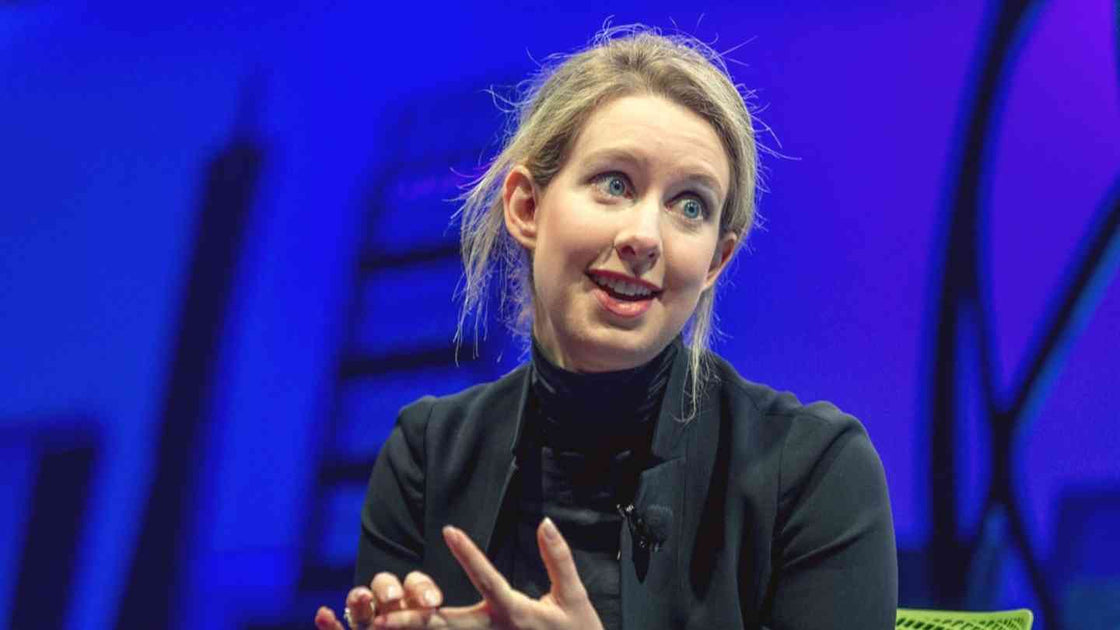
Image from La Vanguardia.
The device gave results with serious inaccuracies, so sometimes they opted to perform studies with traditional equipment, and many clients/patients were even surprised by tests where blood tubes were extracted, which ruined the illusion of the user experience.
The founder and CEO of Theranos convinced influential people to invest in the company, including former Secretary of State Henry Kissinger and Secretary of Defense James Mattis, raising over 00 million. With that level of influence, the company was quickly recognized and managed to avoid its fraud being discovered for a time.
But its rapid ascent caught the attention of the Food and Drug Administration (FDA) and Wall Street Journal reporter John Carreyrou. In October 2015, the investigation into the company's technological problems was published, beginning the decline of Theranos and the imposing figure of Elizabeth Holmes.
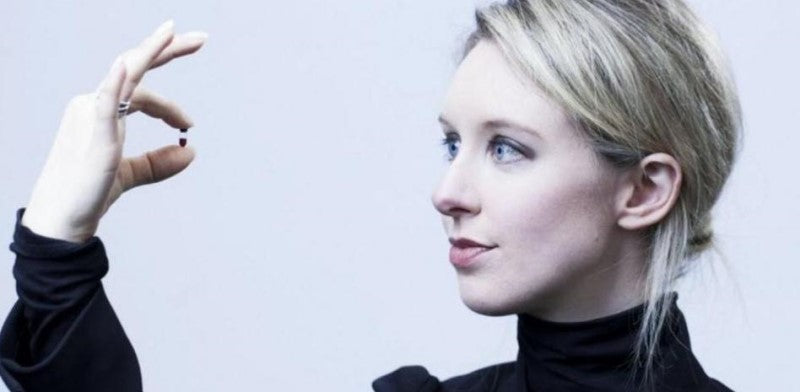
Holmes' great attribute was the creation of her persona, proclaiming herself the female Steve Jobs, wearing similar outfits to the Apple creator, and even copying his routines and forcing a deeper voice to adapt to the masculine environment around her. She managed to give interviews on television and in important magazines, gracing the cover on several occasions.
Image from Wikimedia Commons.
She presented a sentimental story to explain the origin of her project, building her image on being a genius since childhood and even dropping out of Stanford at 19 to found the company. She demonstrated her intelligence and poise, becoming the youngest self-made female billionaire in the world, with a net worth of around .5 billion.
Despite all these attributes, she failed to make her project work and decided to launch it on the market
without completing the corresponding tests. That is, she developed her product without putting
data-driven design into practice, and she didn't have completed medical studies to back her up, so she avoided associating with people in the health field and didn't listen to those who advised her from experience.
Even so, with her personality, she managed to convince millions of people about her product, from investors, clients, journalists, and even TBWA\Chiat\Day, a renowned marketing agency that worked with Apple.
Elizabeth Holmes made two false sales claims, stating that:
- The product was being used by the military.
- The company would earn almost a billion dollars annually by 2015.
Furthermore, the company was shrouded in secrecy; people entering were accompanied at all times and had to sign a non-disclosure agreement about what they saw in its facilities.
Also, without authorization, she used the logos of influential companies in the health sector such as Pfizer and Schering-Plough in Theranos' references, which were sent to investors talking about the functioning and viability of their machines.
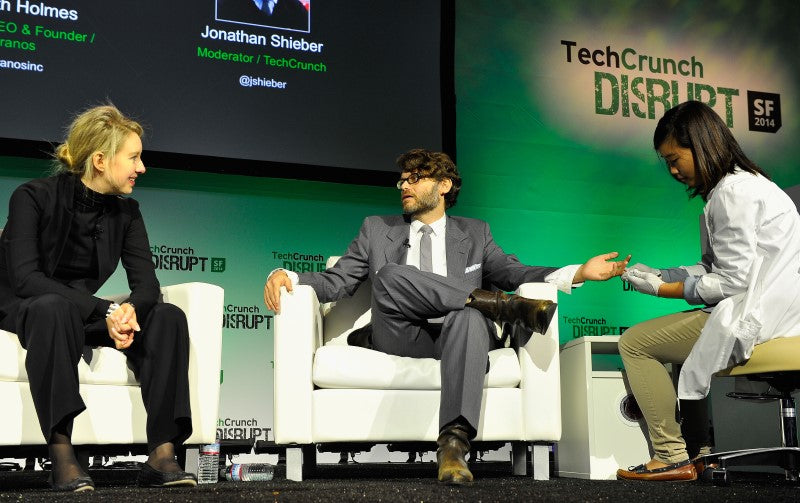
As a result, the marketing agency TBWA\Chiat\Day made the mistake of not asking more questions about the business, assuming that the military could not publicly endorse the company. Despite this, on one occasion, the agency warned Elizabeth Holmes that she had to change the unproven claims.
Image from Fortune.
If it weren't for this advice, the damage caused by Theranos would have been greater, as working in the health sector is very delicate if you don't comply with basic regulations. As marketing professionals, we must learn the lesson that we always have to ask more about the product, see it, ask for its tests, and supervision by the responsible governmental organization.
A good ethical recommendation before giving value to a product through the content we create is to ask yourself if you believe in the product, use it to test its attributes, and only then, with the conviction of its proper functioning, sell it through marketing content. If you can't do that, you should question why.
The use of the image of active investors, health-related companies, and even Elizabeth Holmes' calculated personality contributed to the idealization of a product that seemed innovative, earning the trust of many people.
However, when the fraud was exposed, all that hard-earned trust declined along with the company, as did the image they had built around Theranos. This shows us that the trust and image projected by a company are as important as they are delicate.
That's why, when starting to work on a company's communication plan, we always have to:
- Ask and find out everything necessary to know what we are selling, be able to sincerely recommend it, and always keep our curiosity alert.
- This will allow us to create a bond of trust with customers, who will know that you are not deceiving them by offering a product, and they will even recommend you.
- Which in turn will ensure that the brand's promise and reputation remain clear.
Being responsible with what we communicate is essential for our marketing work to always be valued and for customer rights to be respected.
Article by Camila Oliva.




![Digital Marketing Strategy: Mistakes to Avoid [Part 3]](/content-images/859a0087-errores-ideas.jpg)
![Digital Marketing Strategy: Mistakes to Avoid [Part 2]](/content-images/ed2c5ae4-errores-comunes-marketing-digital.jpg)
![Digital Marketing Strategy: Mistakes to Avoid [Part 1]](/content-images/f8abfb6b-portada-marketing-digital.jpg)