Some time ago, I realized that in many in-person conversations, I end up mentioning things I've seen online: digital trends, viral content, creators, or ideas that have caught my attention. Phrases like "hey, I read this on LinkedIn, what do you think?", "this reminded me of a viral video I saw recently," or "there's a podcast on YouTube about this topic, you have to check it out" have become a regular part of my conversations.
The creator economy is no longer just a screen phenomenon: it moves millions in investments, creates local jobs, and redefines how brands build relationships with their audiences. In this article, I review consumption data, three cases of creators with measurable economic impact (Ibai Llanos in Spain, Selly in Romania, and a niche business in motorcycle travel), and what marketing should do with all this.
This analysis is the in-depth reading of the Creator Economy (in Spanish), one of the 12 New Economies from FREED's trend observatory.
Niche and mainstream coexist
Often, content or a creator that seems very well-known to me, as if everyone has already seen it, is completely unknown to others. There's a statistic that explains it: according to an NRG and Google study on YouTube trends, with 800 active online individuals aged 14 to 44, 65% say they watch the same things as all their acquaintances, and 66% say they watch things that none of their acquaintances watch. If both are true, audience fragmentation and belonging coexist.

Note: I am an ambassador for Think with Google. Several of the consumption data points I use here come from the YouTube Culture and Trends Report, i.e., from Google. The economic cases I analyze are independent of that report and are referenced. All opinions and analysis below are my own.
And it makes sense: the algorithm did its job. It connected us with content, topics, and creators increasingly aligned with our interests, often niche. That's why, even if we share the same platforms, we're not necessarily seeing the same things. It's the same dynamic we follow in the video explosion signal: more hours of consumption, more formats, and increasingly specific audiences.
What makes a digital phenomenon relevant, known, and even massive? And, what exactly is massive? The Anglicism mainstream can be translated into Spanish as current or majority trend, mass or popular culture, something that sweeps or causes a sensation, depending on the context (source: FundéuRAE).
You've probably heard of MrBeast, the YouTuber with 517 million followers. That's about 6% of the planet's population. And do you know Ibai Llanos? He's a streamer, content creator, and one of the most influential Spanish YouTubers in the world. Ibai shared that during the Spanish economic crisis, when his father accumulated debts and his mother lost her job, he found refuge in video games and the gaming community.
Over time, he became a streamer, had exclusivity with Twitch, and when that contract ended, he started broadcasting on other networks. What's more, he moved beyond digital: he is president of Porcinos FC, a 7-a-side football team in Spain's Kings League, and has been organizing his own physical event, La Velada del Año, for a couple of years. According to El País, Velaris-Kena Productions, the company through which Ibai operates the event, invoiced €11.7 million in 2025, with a net profit of €1.7 million.
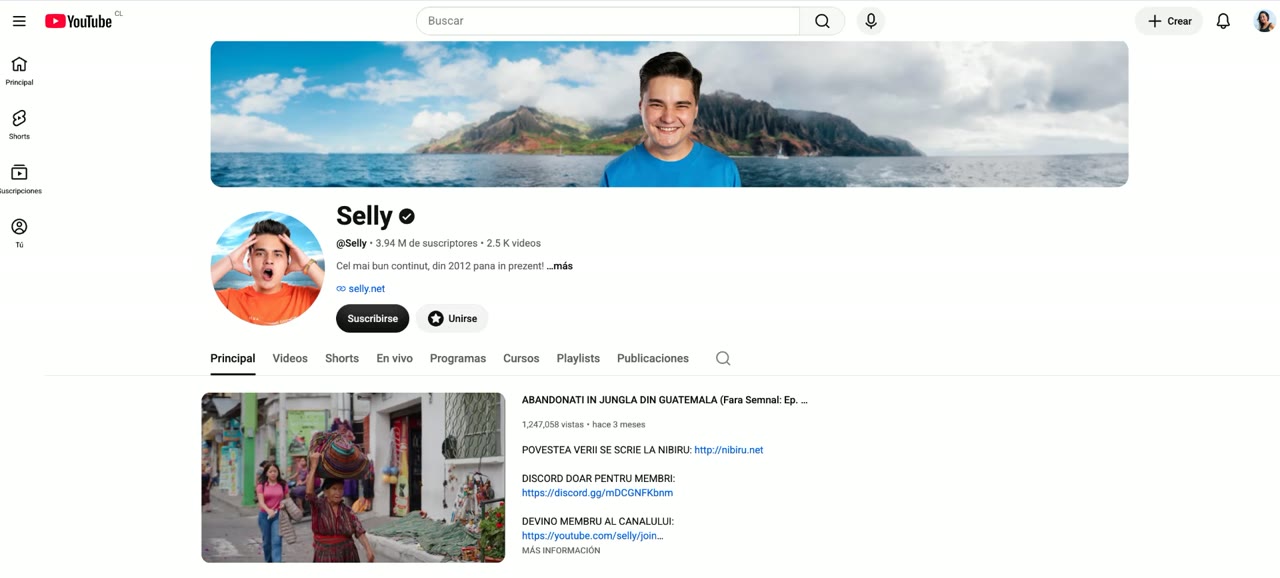
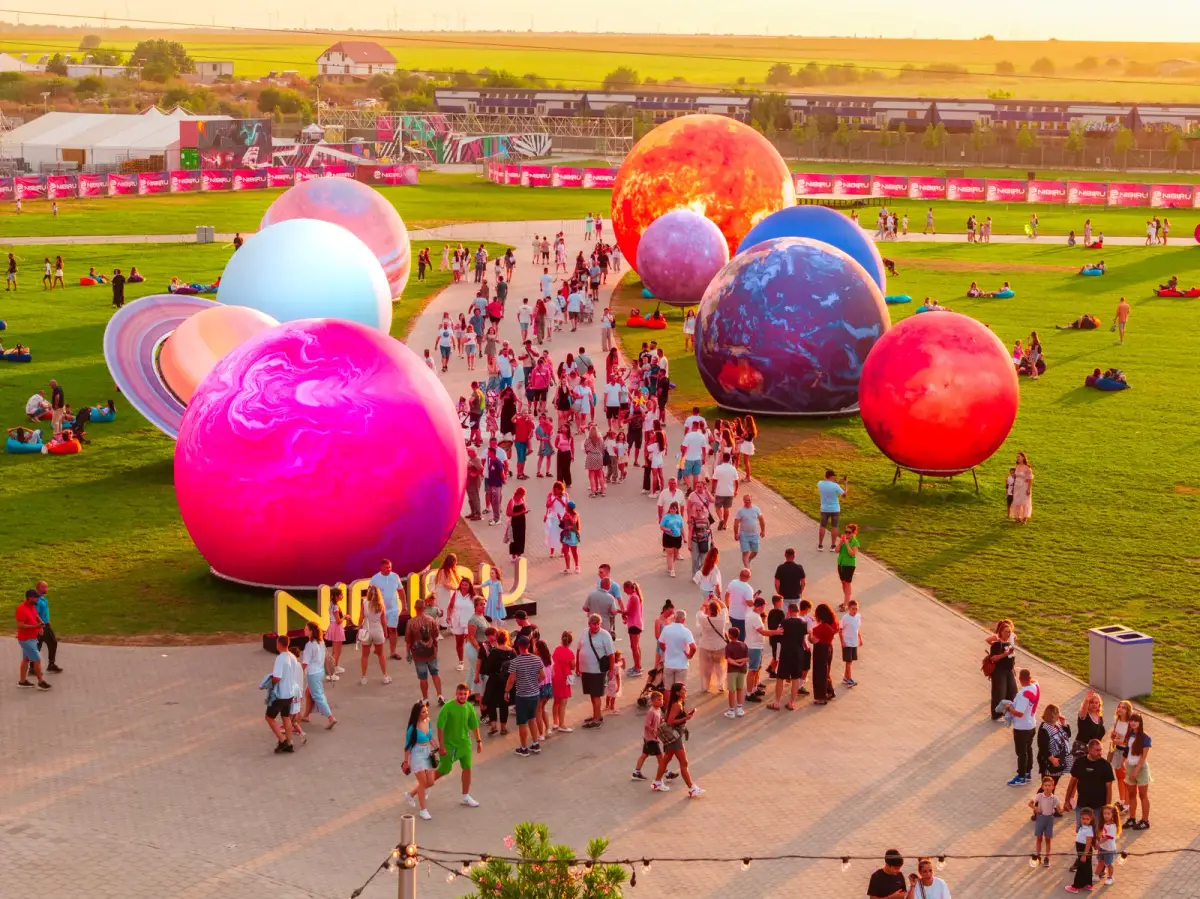
Okay, that's Spain. What about smaller economies? I just returned from a trip to Romania, and one of the big conversation topics of the summer was Nibiru. It's a tourist complex located on the Black Sea coast, near my city, Constanta, recently inaugurated and operating during the summer. It has restaurants, shops, amusement parks, stages, and live events. It's a private investment exceeding €50 million and was born from the collaboration of a group of investors with Selly, a content creator.
Selly was 11 when he uploaded his first video to YouTube. Today he has 3.9 million followers. It is estimated that in its first year, Nibiru generated an annual economic impact of €400 million on the local economy, boosting sectors such as hospitality, gastronomy, transport, and, of course, entertainment. Apart from the Untold festival, one of the largest electronic music festivals in the world, I don't remember when an event attracted so many foreign visitors to Romania.
Now, you might be Spanish and have no idea who Ibai is. Just as there are many Romanians who had no idea who Selly was. The icing on the cake: while writing this article, I learned that Selly is behind valiza.ro (suitcase, in translation), an online travel agency that, unlike Booking and other operators, verifies the accommodations registered on the platform.
MrBeast, Ibai, and Selly are part of what we call the creator economy. A Goldman Sachs projection published in April 2023 estimated the creator economy at about US$250 billion, with some 50 million creators worldwide, and projected it would reach US$480 billion by 2027.
The main ways of monetizing are:
- influencer marketing,
- platform payouts,
- advertising and direct collaborations with brands.
On top of that, there are all the other things creators can promote (their own products and services), although technically those amounts are not included in the estimates, so the real impact is much larger.
Between 2021 and 2023 alone, YouTube paid more than US$70 billion to creators, artists, and media companies.
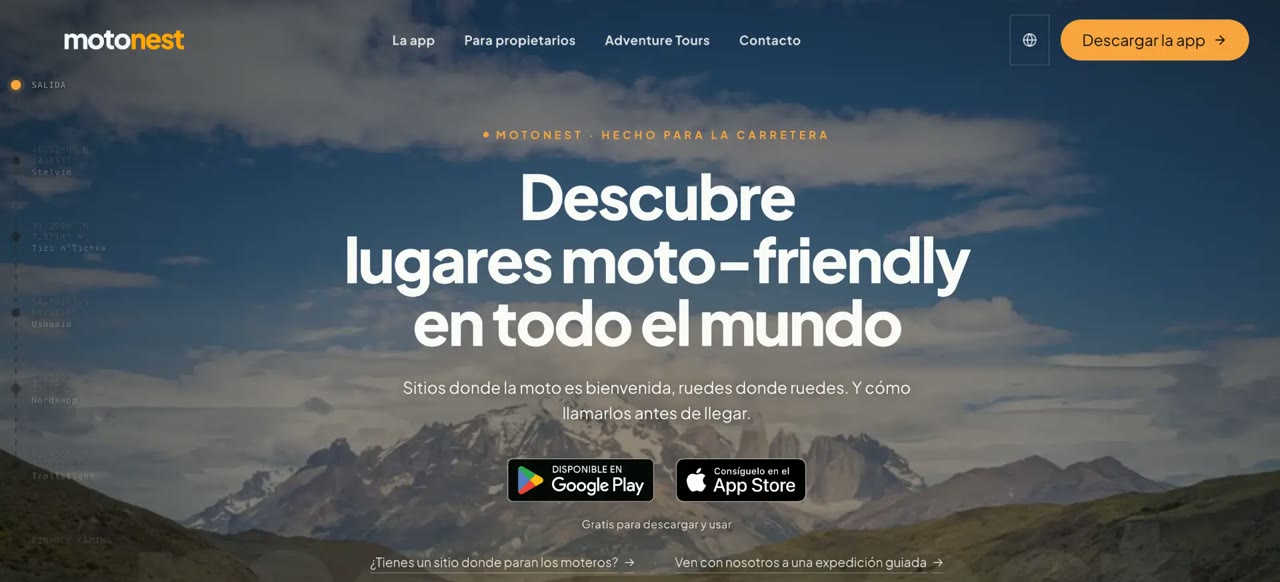
If you think Ibai and Selly are extreme cases reserved for those with millions of followers, that's not entirely true. In the wellness market, creators are organizing their own yoga or Muay Thai retreats. I have an entrepreneur friend who launched his niche app for motorcycle travelers and for local businesses (hotels, restaurants, or workshops) that cater to that traveler.
Do you know how he identified the demand? His passion for motorcycle travel led him to share what he knows on social media and YouTube. His community started contacting him, and he has already organized several trips. He has also collaborated with brands, and his app Motonest is already generating sales within a growing niche: the motorcycle travel market is growing by almost 10% year-on-year, with a high average ticket and a longer duration than the average international trip. Ultimately, that's the economic impact of creators.
If we look at it from the value creation process, the traditional marketing path starts with a product looking for its market. Here it's the other way around: you have an audience you connect with and know so well that you start launching products and services. And that audience buys from you because they connect with you. Of course, it has to be an audience large enough or willing to pay enough for the business to be profitable, especially in B2C.
Beware of Kahneman's "false illusion of success" when turning content creation into a job. Just as with the democratization of internet access, social media, the rise of e-commerce, and the commoditization of web design: it's easy to start, but getting to a profitable business is a long road. All platforms lower entry barriers, and it seems that the mainstream is within everyone's reach.
Platforms like YouTube, Shopify, Canva, and Meta lowered the entry barrier, and the supply of content, products, and services exploded. Creating and distributing content at scale requires a lot of work, but above all, discipline. When everyone can do the basics, competition is greater, standards change, and differentiators are different: depth, brand, ability to connect and build community. This is the same tension we describe in the signal we are all experts.
The numbers support this caution: Goldman Sachs estimated that only about 4% of creators are professionals earning over US$100,000 a year. And a European study by Kolsquare with 783 creators already working with brands found that only 28% are dedicated to creation full-time; the rest combine it with other sources of income.
Returning to the YouTube study, 61% of young people believe that online creators today have more influence on pop culture than traditional institutions or media. Furthermore, the concept of authenticity has mutated: for new generations, a niche creator achieving massive scale is no longer perceived as "selling out," but as validation and a collective triumph of the community that supported them from the beginning.
Likewise, 60% feel that sharing interests makes them "part of something bigger," and 81% feel proud of the success of what they support "because they believe they played a role in it." This is the IKEA effect applied to fandoms: we value more what we help build. For Generation X, "selling out" was the worst; for young audiences, seeing a creator stand out is a sign of quality. This partly explains the stories above.
I'm not saying everyone should be a YouTuber or that every brand should be there. Just that you can't ignore YouTube in your strategy or in your daily life. If you work in marketing, customer experience, innovation, or communications, or if you own a company and therefore need to connect with an audience, it's most likely that audience is already on YouTube discussing your category, your brand, or other brands. Things happen regardless of whether you decide to jump on the bandwagon and the prominence you choose to have.
If you're in charge of a brand's marketing, the invitation isn't necessarily to launch a podcast or run ads on YouTube, but to understand where the communities for which your product or service is relevant are. At a minimum, you should be listening.
What the YouTube report shows is that traditional brands that try to survive by imposing one-way advertising content fail. Those that succeed (like the NFL or creators who expand their universes to physical stores and streaming) do so by diversifying their touchpoints and allowing creators and fans to comment, analyze, and reinterpret their narrative.
It all comes down to returning to the fundamentals of marketing, psychology, and omnichannel: building a brand means facilitating meaningful interactions between your value proposition and people, both digitally and physically. If you want to organize that part, check out how we work on brand management in an omnichannel experience and the case of Nike connecting community and physical event.
Relationship with content creators
What do brands need to do? First, look at communities and micro-communities to identify consumption and behavior patterns. Second, view creators as partners, because they know their community best: consider them in alliances, partnership programs, and brand ambassadors. Third, see them as distribution channels, because many already have the maturity and knowledge in their area to design products and services.
For example, there are creators in the tourism sector who are becoming travel organizers, like my motorcycle friend. They can perfectly collaborate with destinations, travel agencies, a DMC, or a tour operator to be part of the experience. That is, the content creator shouldn't just be someone who gives you a discount: they can be part of the team that designs and produces the experience with you.
Obviously, being an active brand in the creator economy is not without its challenges. Let's consider measurement and attribution, which are increasingly complex. In Rethink Retail 2026, Annie Peton, Wayfair's Chief Marketing Officer, acknowledges that combining affiliate commissions with paid media investment can raise fears of "breaking attribution" or duplicating costs. Her advice to advertisers is to be bold (fortune favors the bold) and adjust attribution rules on the fly to avoid stifling innovation.
At the same Rethink Retail 2026, Damon Berger, SVP of Marketing Shared Services at Gap, explained how Gap Inc. approaches working with creators through a strategy that connects culture with commercial conversion. He highlighted three initiatives.
- Internal ambassadors: Gap turns its own employees and store associates into content creators for the brand.
- Own voice: The company provides them with tools to voluntarily create content about products, leveraging their firsthand knowledge of the clothing.
- Sales incentives: They receive a percentage commission on sales generated through their posts and links.
- Global scale: Prior to the employee program, Gap developed an affiliate program for the general creator community.
- Results: It accumulated over 150 million views and a high earned media value, serving as a model for its organic content projects.
3. Cultural content on YouTube with creators and artists
- Product at the center: In campaigns with creators and artists (such as Young Miko or Katseye celebrities), Gap ensures that the product is the visual protagonist.
- Cultural traction: With the Katseye campaign on YouTube, which surpassed 80 million views, the brand showed creators dancing in jeans to demonstrate the comfort of denim. When the public started recreating the dance, it became a cultural phenomenon that drove a double-digit increase in ROAS, boosted brand searches on Google above those of the artists themselves, and led to more visits to physical stores and higher-value purchases.
Berger emphasizes that for a brand to be relevant, it must create with and through culture, and that creators on platforms like YouTube are the most efficient channel to move from passive scrolling to active consumer participation.
- Content creators move communities and are an active part of the economy.
- The amplifying potential of platforms like YouTube is tremendous.
- These communities move beyond the screen because they need connection in the "real" world.
- Creators become distribution channels: many are designing their own products, services, and experiences or collaborating with brands.
If you want to follow the topic with data and episodes, check out the Creator Economy hub and the New Economies series of the FREED podcast. Both are published in Spanish.

 By
By 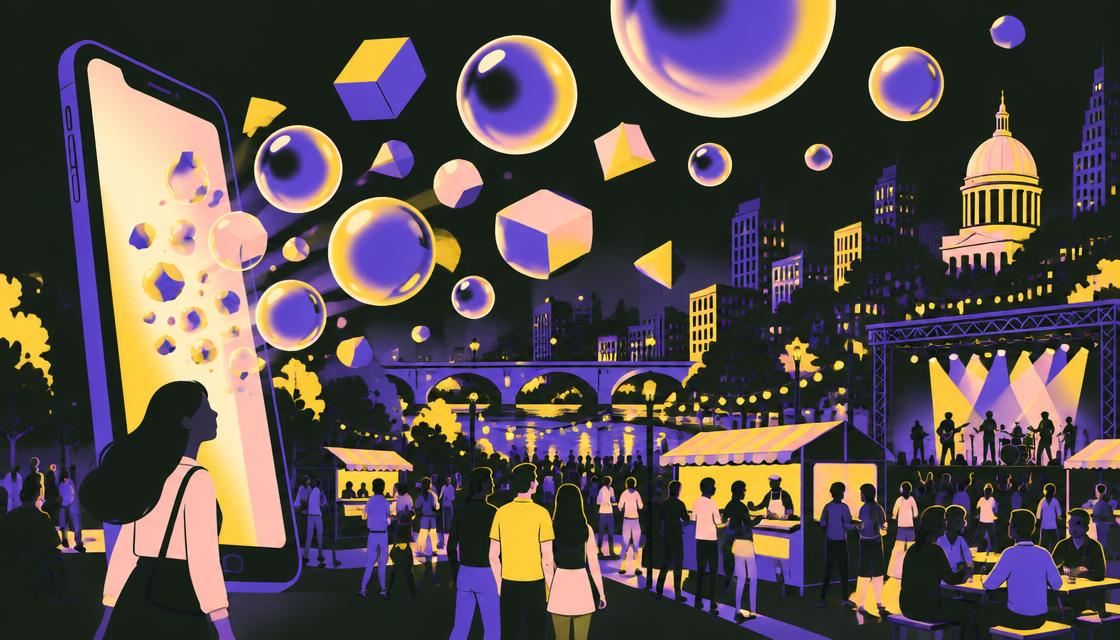

![Digital Marketing Strategy: Mistakes to Avoid [Part 2]](/content-images/ed2c5ae4-errores-comunes-marketing-digital.jpg)