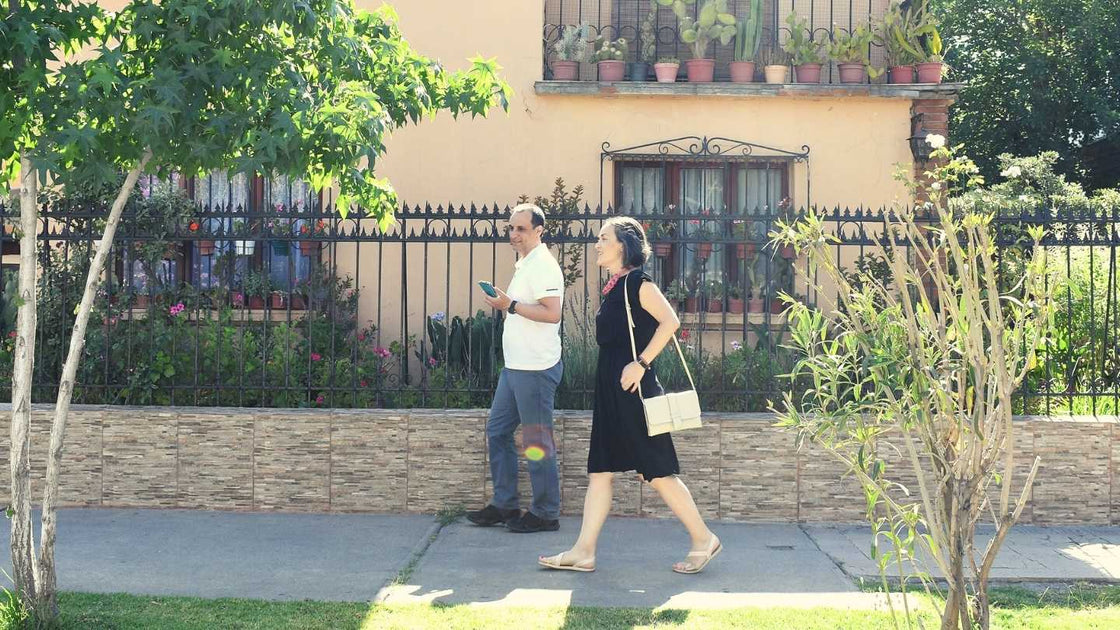
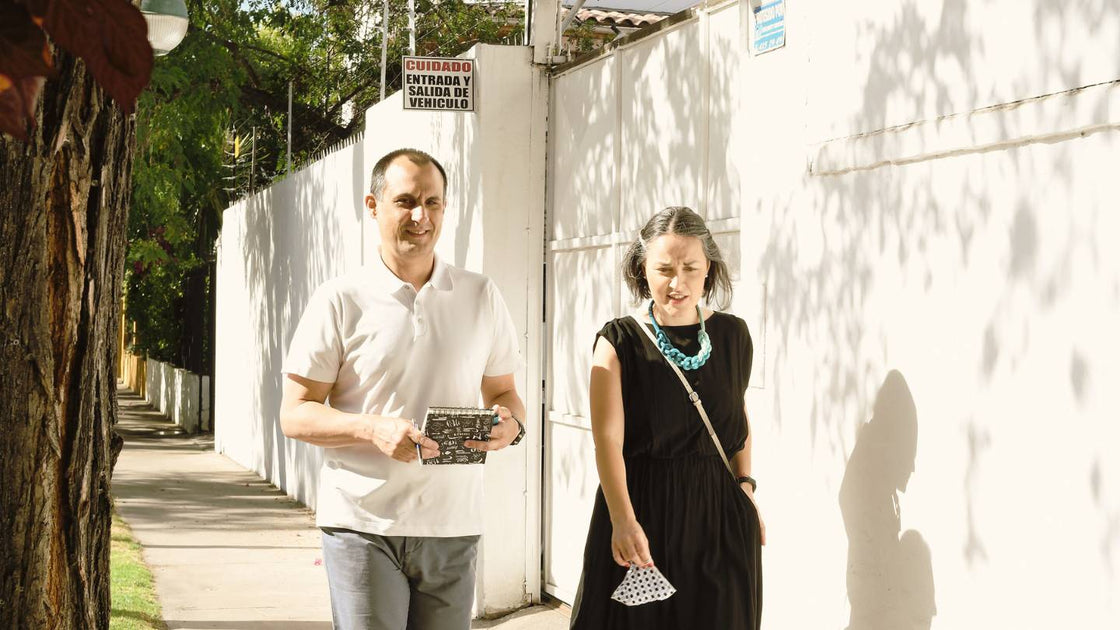
We started with walking meetings about two years ago, both as a format for internal meetings and for meeting with industry colleagues.
What is it about? It's very simple: instead of having meetings sitting and cooped up in an office, we go outdoors, walk, and talk. The combination of aerobic exercise and work obligations can only result in something healthy that helps you put an end to a sedentary lifestyle.
Here's how I came to implement walking meetings:
How it all started?
Since I founded FREED (formerly UsabilityChefs) in 2013, I've been working remotely. While I went to many client meetings at their offices, I also spent too much time sitting. Furthermore, I realized that there isn't much difference between sitting in a home office versus going to the corner cafe for a meeting. Changing scenery is good, having a coffee is wonderful, but walking a couple of blocks only to sit down again doesn't add much, and you still have a sedentary lifestyle.
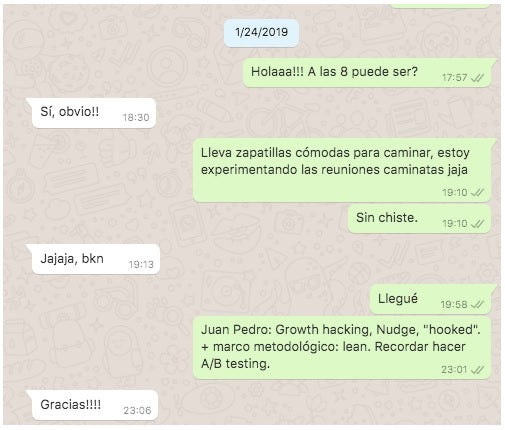
That's how one day I thought of suggesting to someone that we go for a walk instead of having coffee at the corner. I don't remember who the first person I had a walking meeting with was, but I think the "soft launch" was at the end of 2018, and by early 2019, it was an ongoing experiment.
After that, it became a habit, and forming habits is fundamental in life, work, and entrepreneurship. Among the benefits I can highlight from walking meetings, one is promoting an active lifestyle by practicing aerobic exercise. Another main benefit is the fact that the interlocutor is present and attentive, and in a hyper-connected world, full of distractions and devices, having someone's attention becomes scarce, making it difficult to have effective meetings. Therefore, being present not only physically but also with the intention to listen is fundamental.
Get our analysis in your inbox
Subscribe to the FREED newsletter: applied research, trends and tools.
No spam. Unsubscribe anytime.
Tips for a successful walking meeting
From my experience with this activity, I want to share some tips with you so that the walking meeting is not (just) a stroll and turns out to be a real, productive meeting that you can make the most of:
Wear comfortable sneakers or shoes. This is essential for comfortable walking. If you're in an office and wearing high heels, it's fine, but with a walking meeting, you won't get very far and will probably end up with blisters. That's not the idea; it has to be something positive so you want to repeat the experience and establish it as a habit.
Establish a route in advance or very quickly at the beginning of the walk. For a simple reason: to avoid getting distracted from the conversation by looking for directions on the map app.
Define the topic or topics of conversation. Here I refer to the meeting points. It's obvious that there will be social conversation too; not everything can be about current or upcoming projects. If you notice, this is a rule that applies to any type of meeting, whether in a room or on Zoom: it's essential to know what we're going to talk about.
Prepare: you have even more reason to prepare since you can't walk around with a computer in your hand glancing at what you didn't do before. Yes, many people go to meetings without doing their homework beforehand, but a walking meeting exposes them.
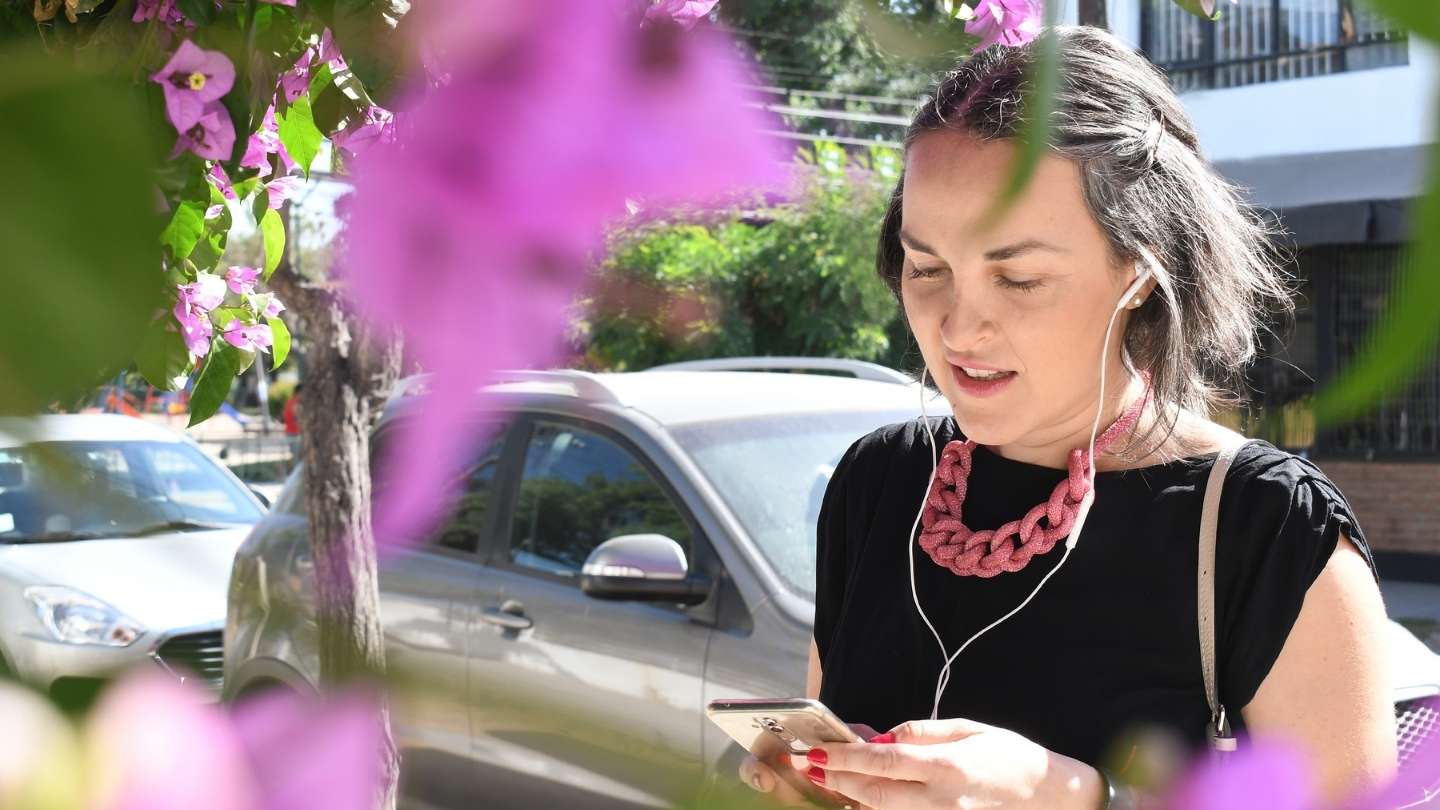
Leave your phone in your backpack or purse (bag), not in your clothing pocket. Why? To avoid distractions.
Turn down your phone's volume and notifications. For the same reason: to avoid distractions.
Have a pocket notebook handy for taking notes. Not everything can stay in your mind; it's better to take notes.
Block out time. This means selecting a time of day or a day of the week when you have more peace of mind so you don't rush. The idea is to take advantage of the opportunity to disconnect.
Bonus track: finish with breakfast or at least a good coffee.
Some time ago, a friend told me that Steve Jobs invented walking meetings. I honestly don't know. What is certain is that I didn't adopt that practice from him; rather, it was a way to solve a recurring problem associated with remote work: a sedentary lifestyle.
Walking meetings in times of COVID
In the context of COVID-19, some things have changed, and adaptations are necessary:
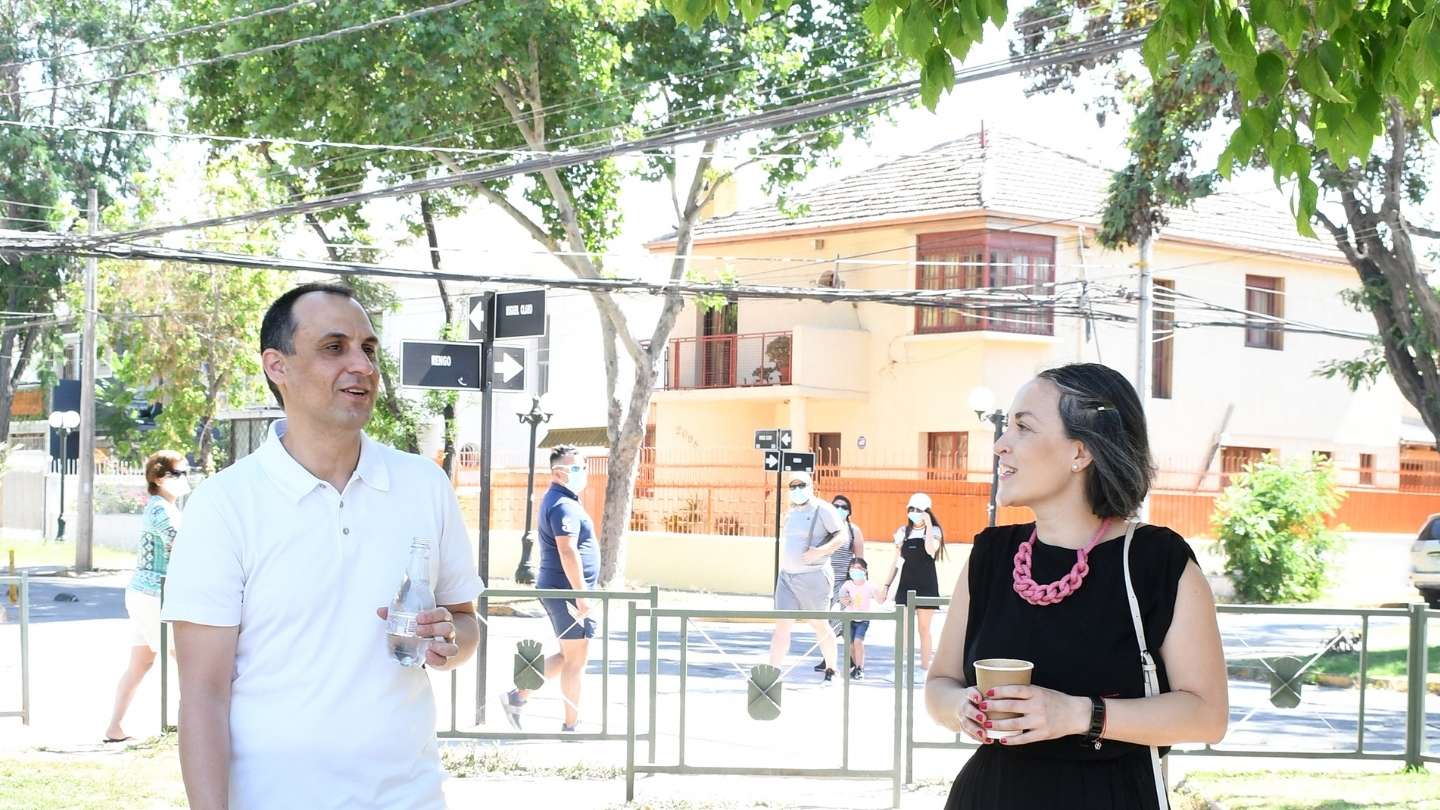
During quarantine periods, a significant change has been not being able to end the meeting with breakfast or coffee sitting in a neighborhood cafe, but having to walk with the cup in hand. All in all, you have to know how to adapt.
Walking calls. It's very simple: instead of sitting in the office talking on the phone or on Zoom / Meet / Skype, we make the call while walking. Here I confess that I am the one walking. Generally, other people remain in the office, by their own choice. So far, I only know of a friend from Canada who has phone meetings while she and her interlocutor are walking, each on their own. Due to distance and to avoid spending time on transport to get from point A to point B, they chose to transform what used to be face-to-face walking meetings into phone walking meetings.
When a meeting needs more than an hour or involves a full team, walking falls short and it helps to look for meeting spaces outside the office where you can work calmly.
Did you like the idea? Are walking meetings practiced in your circle of colleagues and friends? Share your experience. If you have tips to make the most of this opportunity, I'd love to read them.
If you're unhappy at work, you won't be happy in your personal life. We analyze this issue and propose a test. Do you want to know if you should change jobs?

 By
By