Article written by Denise Sánchez. Edited by Rafael Baquedano.
Understanding purchasing patterns and consumer behavior is a constant challenge in marketing. A good search experience is crucial for a successful shopping journey. At FREED, we wanted to get closer to the reality of the digital consumer by analyzing search queries made on Google and understanding the competitive landscape of a particular market: home and decor products.
First, because people often don't go directly to an e-commerce store or marketplace to buy a product. Before and during the purchase, they look for information related to their needs, the experiences others have had, and the most convenient alternatives.
In this infinite search for information, search engines emerge as major players when making a query related to a product or service.
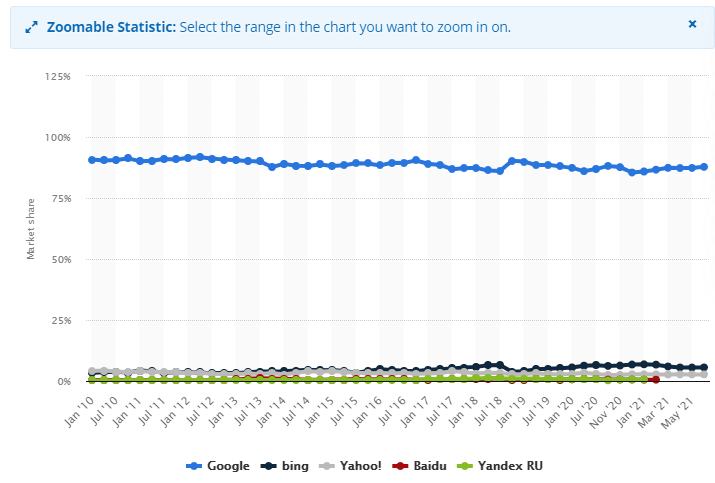
Second, because as the following graph shows, over the last ten years, Google has remained one of the leading search engines worldwide, holding a market share of 92.05% in February 2021. And along with that, it is probably one of the largest databases on human behavior.
Image: Worldwide market share of leading search engines, January 2010 to February 2021, on desktop computers. Source: Statista
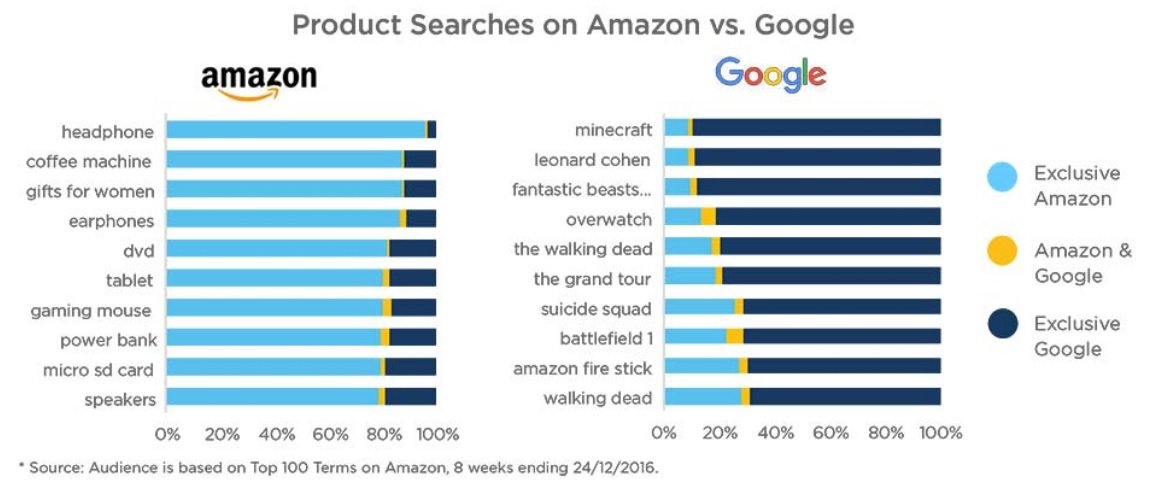
Source: JumpShot
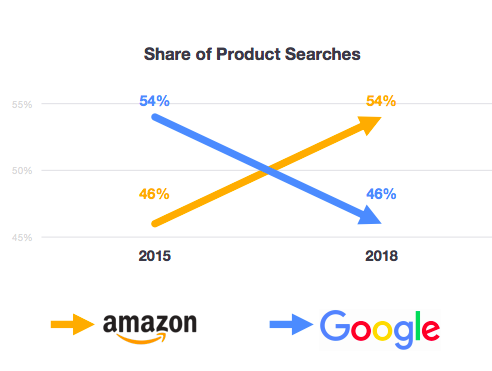
Marketplaces can be excellent sales channels, and their relevance varies depending on the product category:
The HOME category is among the top 6 consumer trends in e-commerce in 2020, according to the latest Mercadolibre e-commerce Trends 2021 report.
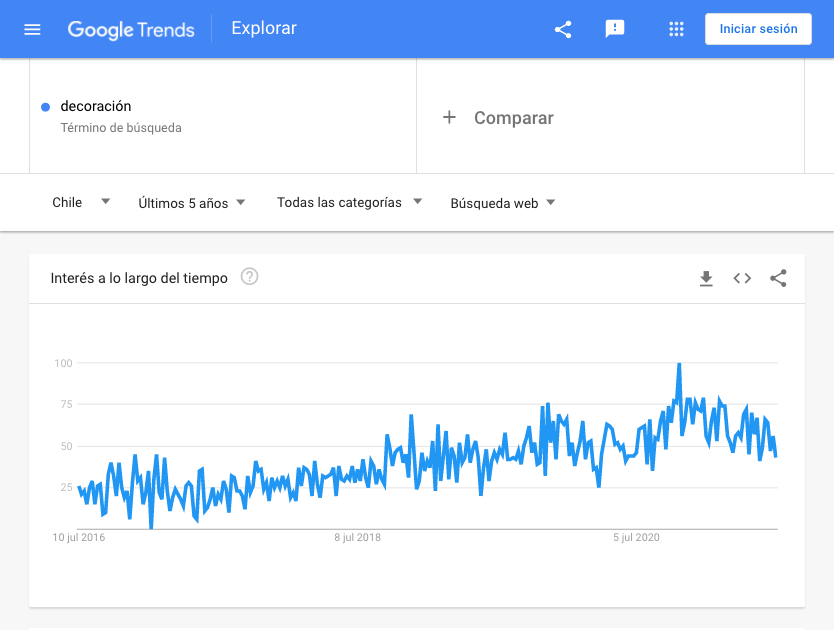
On the other hand, searches for DECORATION products and ideas have significantly increased in recent years: according to Google Trends, particularly since the beginning of the pandemic, people have reallocated part of their budget to make improvements or redecorate their homes.
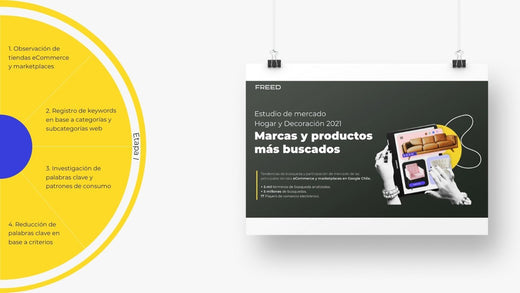
We conducted a market study based on research of 5,830 keywords or terms people use to search for home and decor products on Google Chile, via their mobile phones and desktop computers.
Below, we present the main search trends classified into 3 points:
We compiled thousands of search terms and selected those that show a clear purchase intent. This allowed us to identify the most searched product types, by average monthly search volume.
These are the top 10 most searched product types:
- Desks +195k searches
- Furniture +190k
- Sofas +156k
- Rugs +140k
- Mirrors +126k
- Futons +117k
- Gaming chairs +115k
- Coffee tables +114k
- Coffee makers +103k
- Queen size beds +95k
These product trends allow us to understand consumer demand in Chile for functional products that meet needs in diverse spaces or environments and provide comfort.
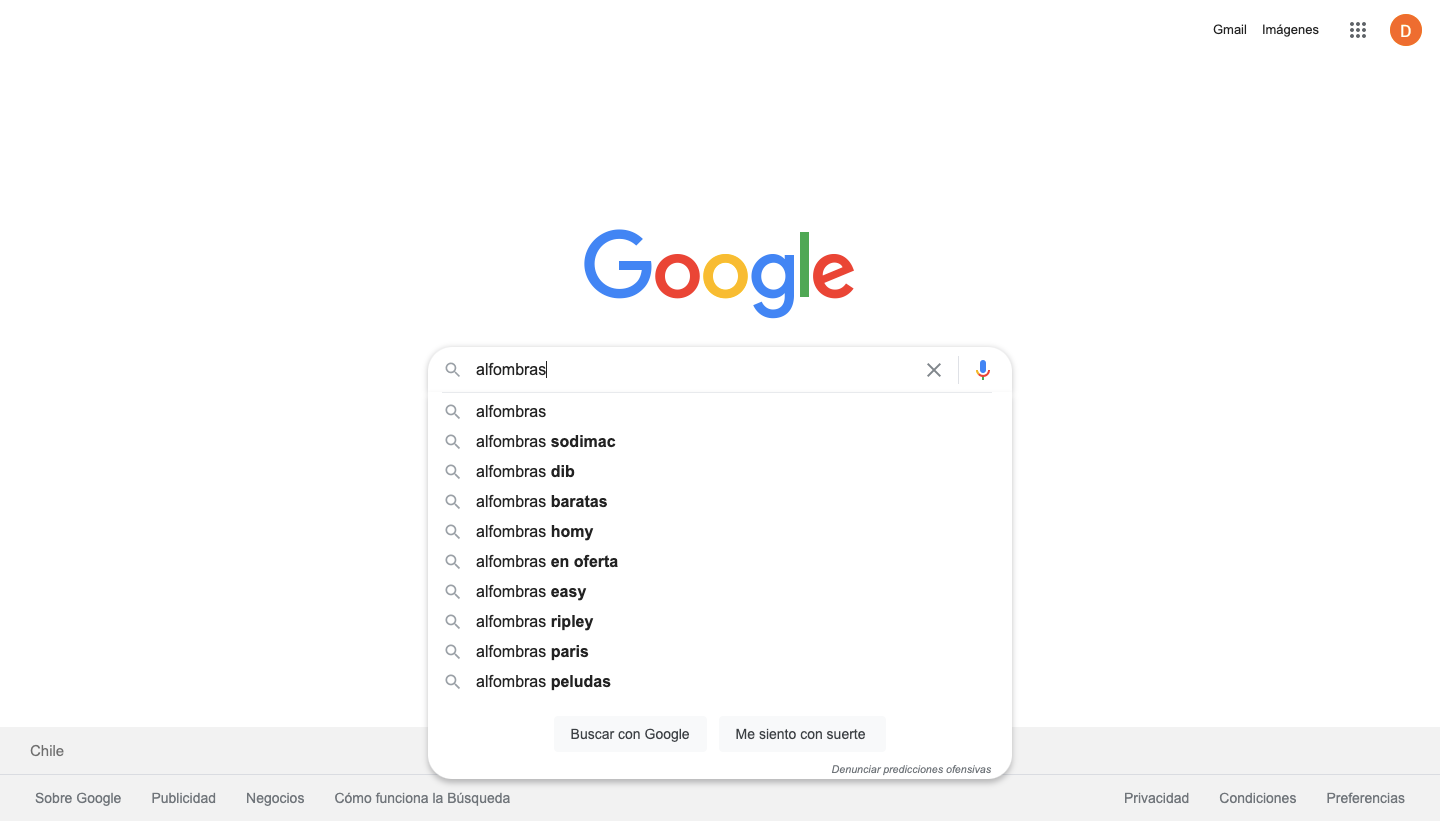
When people search on Google, they often include a brand that is part of a mental reference. These brands can be from the product manufacturer, a retailer, or an e-commerce store.
24% of the search volume in our research includes a brand. For example: "Sodimac nightstands", "Falabella futons", "Ripley coffee tables", and "Lider queen size bed".
Within this 24%, we identified 5 reference brands for consumers:
- Sodimac
- Falabella
- Ripley
- Lider
- Homy
Identifying brands in search queries allows us to understand, among other things, how the home and decor search market is composed, and the market share of local players.
Additionally, we can have a reference of where to look when we want to know our competitors and which players are setting consumption trends.
Consumers go through an exploration and evaluation process, repeating the cycle as many times as necessary to make a purchase decision. In this process, we find common searches for home and decor items.
Here are 8 prominent search patterns:
-
Product characteristics, example: "round coffee table".
-
Space characteristics, example: "sofas for small spaces".
-
Design style, example: "rustic lamps".
-
Price factor, example: "affordable closets".
-
Places and locations, example: "Barrio Italia furniture".
-
User segments, example: "youth furniture".
-
Material type, example: "rattan patio sets".
-
Room types, example: "kitchen rugs".
Identifying these consumption patterns among thousands of search terms allows us to understand needs that brands must address through their e-commerce site. How? Through e-commerce content:
- product descriptions,
- category pages,
- blog articles,
- guides, among others.
To see the detailed results and learn how you can apply the findings to your e-commerce business, download the FREE and complete Home and Decor Market Study 2021: Most Searched Brands and Products.
What do you think of our study's findings? If you've done keyword research, had you considered the aspects we've shown here?