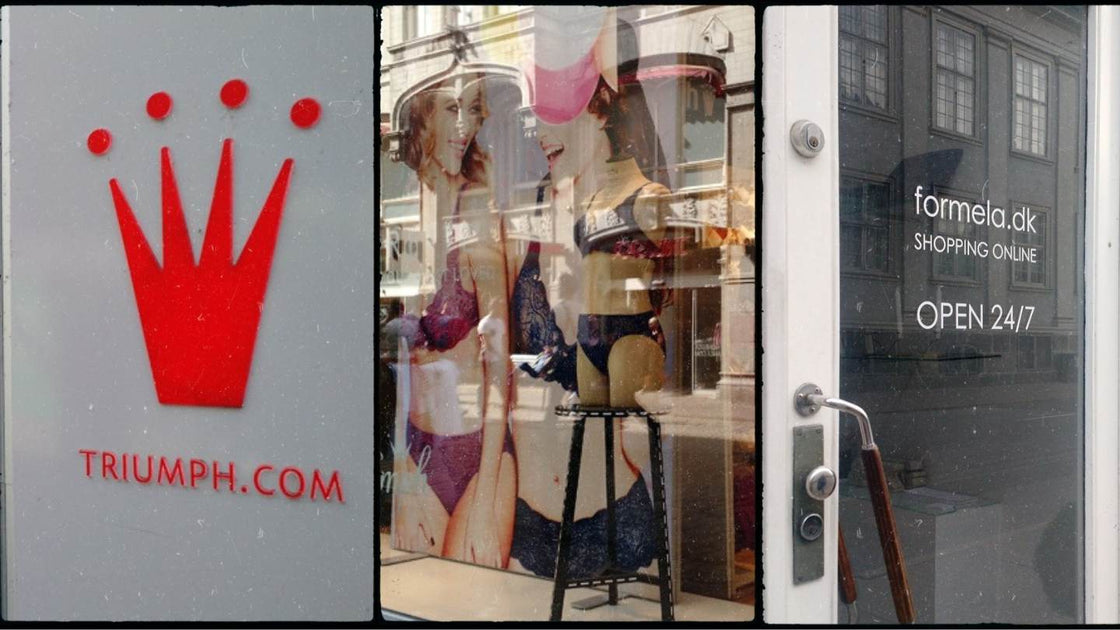
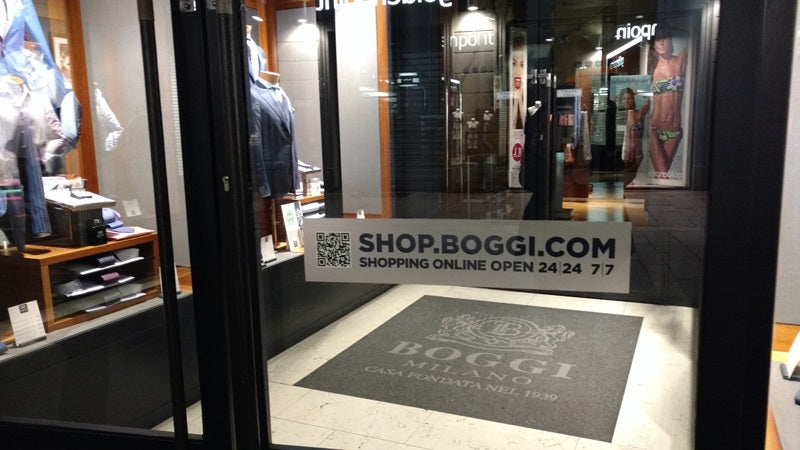
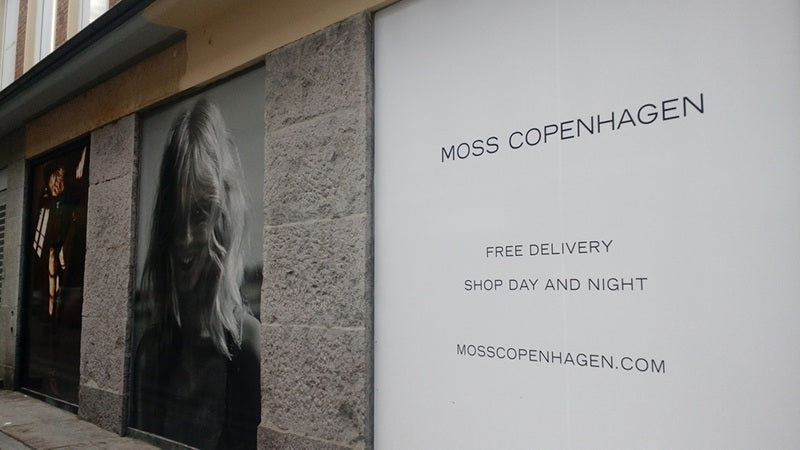
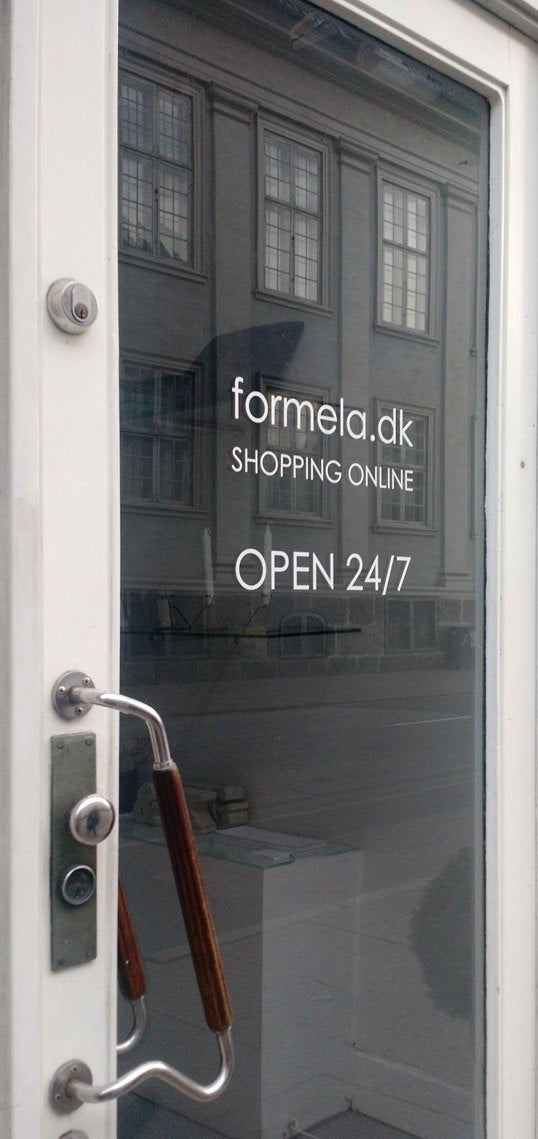
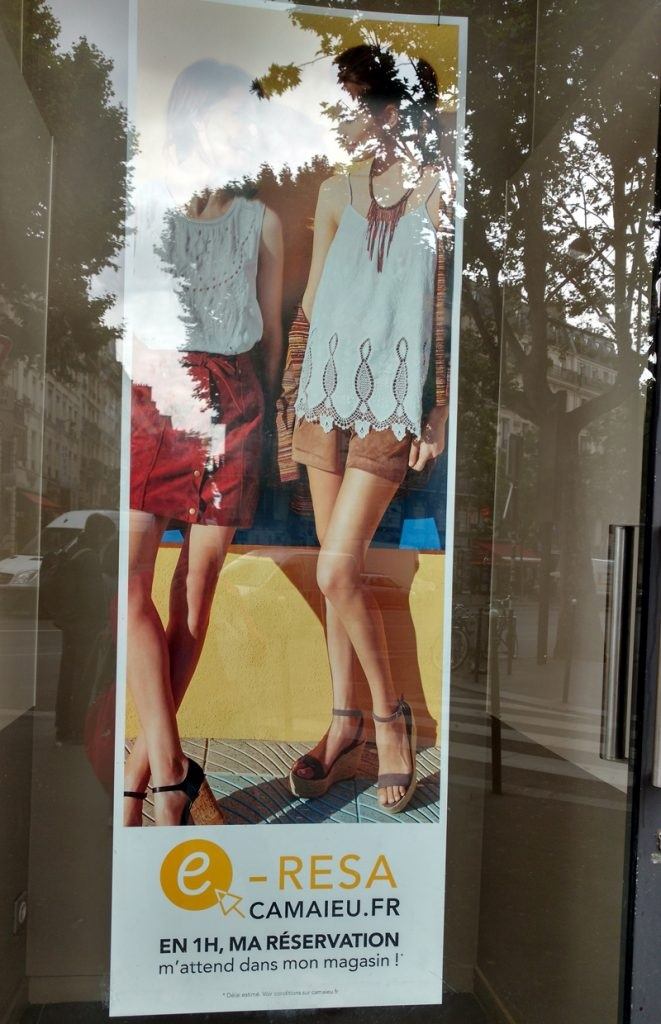
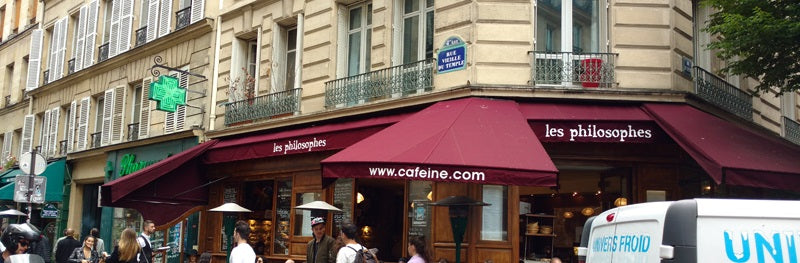
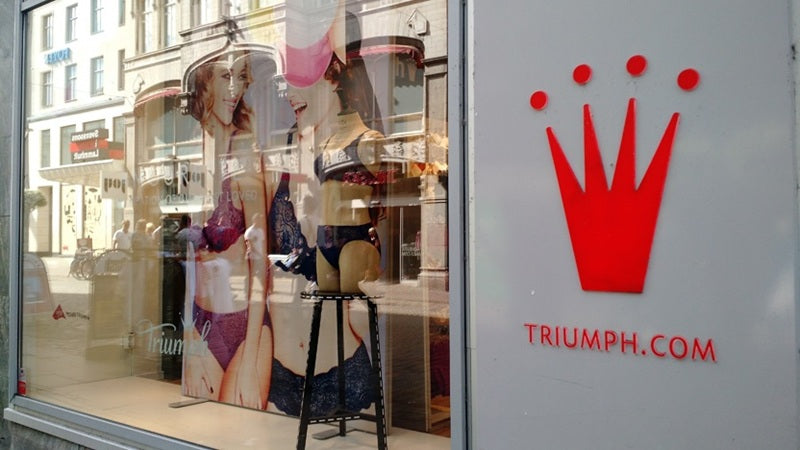
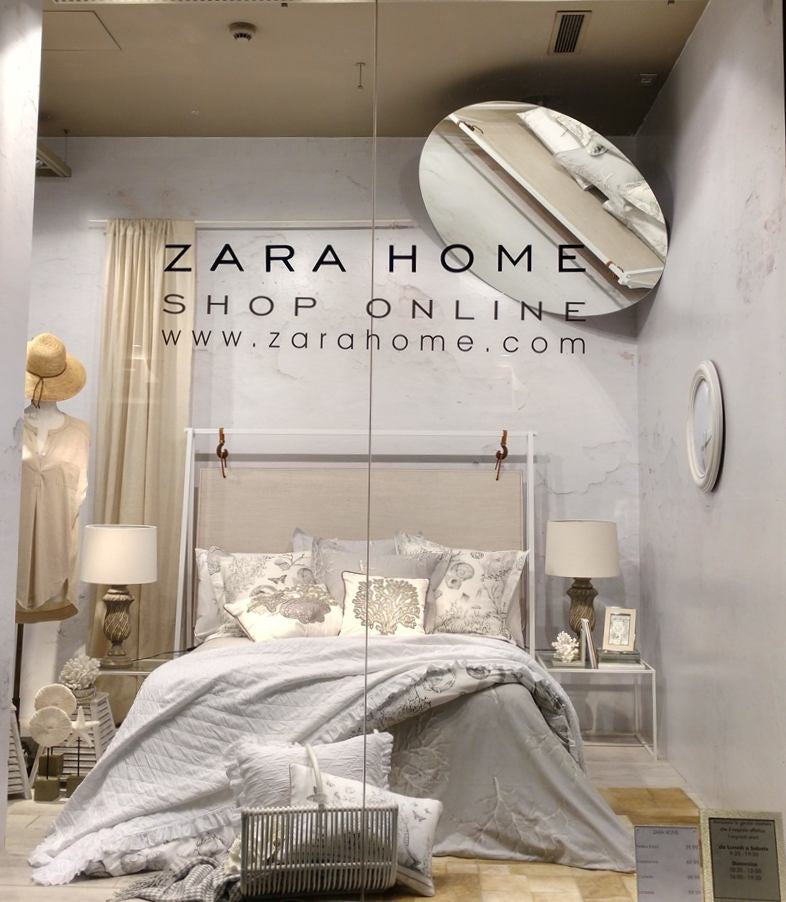
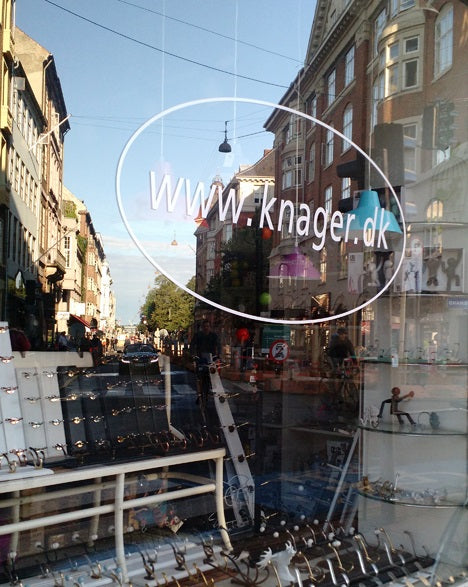
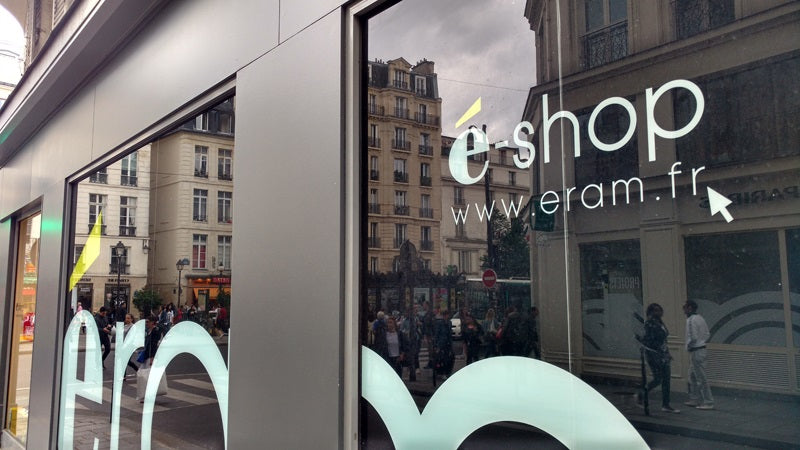
It must be a mix of professional deformation – an impulsive need to take photos of small details of everyday life that I will use in my presentations – coupled with my fascination for design, which continues to drive me to immortalize shop windows that stand out for being aesthetically well-achieved, for being a symbol of omnichannelity, and for giving prominence to the brand's online store. Reviewing the hundreds of photos on my phone gave rise to the idea of sharing inspiration for the design of omnichannel tactics, which I will do through this article.
What you will see here are some reasons to communicate the existence of an online store through the window display of a physical retail point of sale.
When the first "A" of the AIDA model (Attention) works, but the person cannot enter the store because they are rushing to another objective, being able to take a photo where, in addition to the brand, the internet address (www) is visible, is clearly easier than forcing the user to do a Google search to try to locate the online store.
Whether it's because an online store is available "24/7" or because the point of sale window allows communicating opening hours, let's consider that the passerby can take a photo to physically re-examine the product they are interested in. In the case of Chile, the shop window is an interface that is commonly underutilized.
Specifically when it comes to businesses like hair salons or restaurants, the shop window can encourage booking an appointment through the website.
In a fashion store, where physical space is limited and collections from different seasons cannot coexist for long, the shop window allows informing customers that they can already view the next season's collection in the e-commerce store.
However, the migration of attention from the physical branch to e-commerce should not be an objective in itself. It is more about being where the person is and designing an omnichannel experience, that is, consistent, continuous, and frictionless across all touchpoints.
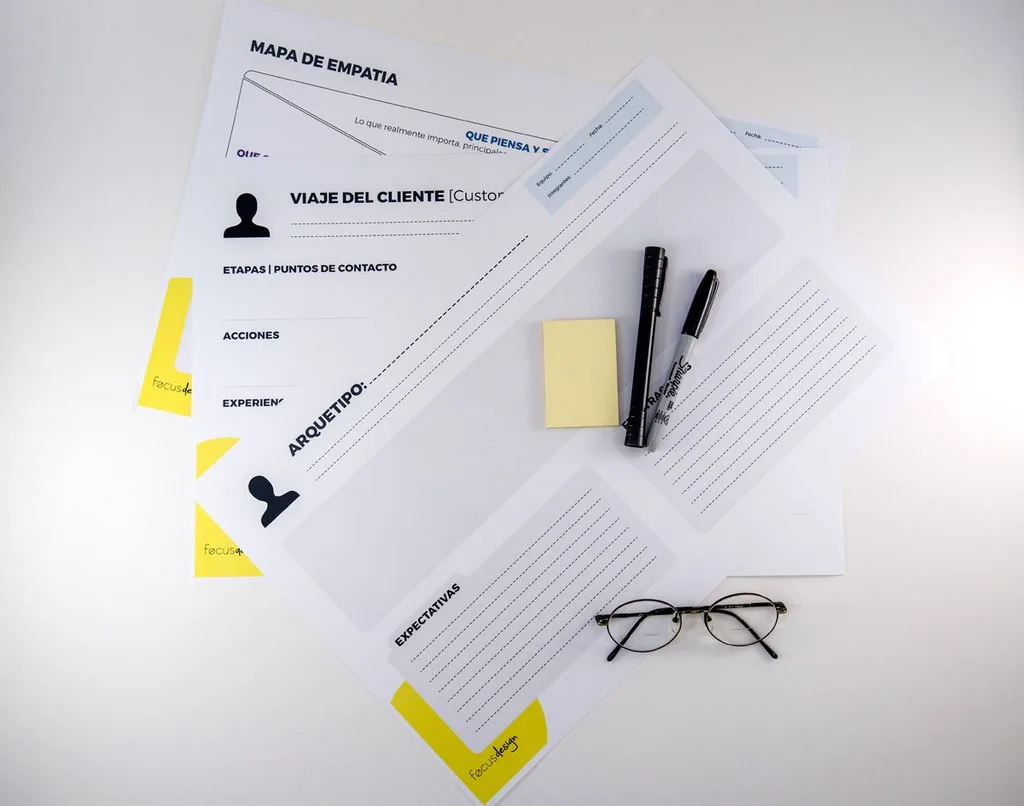
It goes without saying that omnichannelity goes beyond referring to one channel (e-commerce) in the context of another (physical retail point of sale) and involves understanding the customer journey to design the complete experience. Therefore, this article does not intend to address the topic of customer experience or experience design in its entirety, but rather to draw attention to the importance of point-of-sale design and, specifically, the shop window as a visible line separating a potential customer from an actual customer.

 By
By