To design good experiences for others, we need to live incredible experiences ourselves. Then, we need to be able to identify what is important to the people we are designing for: the basics. And from there, decide if we are aiming to…
a) deliver remarkable and meaningful experiences or
b) just meet the basics and be done with it.
I believe there is no right or wrong path; both options are valid and will depend on how we seek to position our brand.
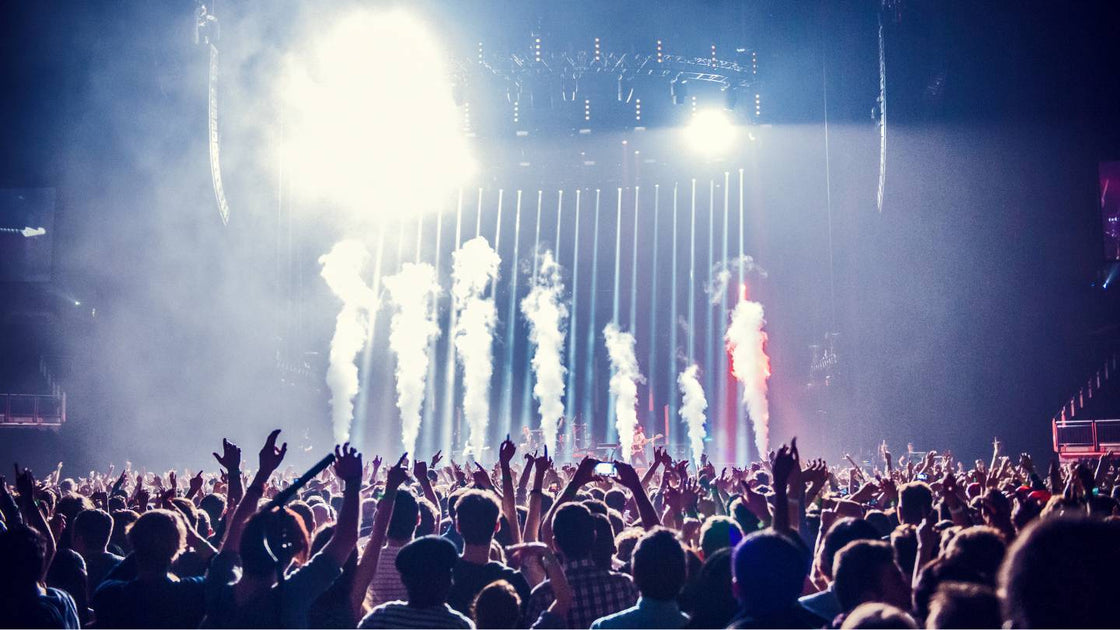
I could give countless examples, but I'll go with a recent one about something I enjoy: entertainment, recreation, and disconnection through music and dance.
From dancing tango to a Coldplay concert or an electronic music party; music and dance are important to me. I can enjoy tango in a gazebo in a Buenos Aires park, a street milonga, in a theater in Valparaíso, or in a European heritage building with an incredible wooden floor, impressive sound, live musicians, and high-level dancers. All are equally valid, interesting possibilities, each with its own charm.
Well, let's get to the specific example that inspired this article.
Imagine I go to a festival or concert for which I paid a significant price, and I encounter the following:
<p>
- I want a non-alcoholic drink, but there's only water and sodas. The menu mentions tonic water, but by 7:00 PM, it's already gone (I think it was never available). No coffee, tea, non-alcoholic cocktails, etc.
- I'm forced to spend a minimum on drinks, but I consume almost nothing available on the menu. Long story short: to avoid losing what I prepaid, and since there are no refunds, I decide to take 2 drinks home.
- If I don't eat bread or fries, I'm condemned to intermittent fasting or going hungry because there are very few alternatives. After wandering around all the stands, I find something decent and I'm saved.
- There's no light in the restrooms. I have to use my phone's flashlight.
- I want to charge my phone, and there's no way to do it. Finally, I managed it thanks to the kindness and favor granted by a security guard.
- The stages are right next to each other, and the sounds mix between some of them.
Beyond that, it wasn't terrible, but it wasn't remarkable either. This happened to me at an electronic music party: 4 stages, some DJs I liked, and the rest I was yet to discover.
<p>
I've been to a couple of festivals in other countries, organized in similar spaces on the beach or in large cities: a more family-friendly atmosphere during the day (including children), an audience of all ages, a varied line-up, different stages... Some time ago, I wrote about the use of technology at a European festival; I invite you to read it for more context on what I'm explaining.
For now, I feel that in Chile we are far from that, and it's not precisely because we lack the resources. Or at least that's my reasoning: if I, as a participant, pay a similar amount to a European festival or make an equivalent effort to attend your event, I expect to live an experience according to certain expectations and past experiences.
I hope that you, as an organizer, have also taken the trouble to live incredible experiences and want us to live incredible experiences.
When we design experiences, we do so based on various factors, such as:
- Our beliefs and values as managers / professionals / experience designers.
- Our past experience.
- The identity, positioning, and communication pillars of our brand.
- Our knowledge of the expectations of people or our target audience, among others.
For this, we need to leave the office and home office and go live experiences with different brands, systematize what we've experienced, and make (better) design decisions. It's not about copying others' practices but about living the experience and then asking ourselves the question:
Experience design and experience design research are learned and practiced. It's part of what I convey and teach in my consulting projects and classes. Whatever your product, service, or brand experience, everything is designed.
The same happens with corporate events: the venue defines much of the experience. Choosing unique event spaces completely changes what people remember.
Have you had memorable, well-designed experiences, or the other kind? Tell me in the comments.
If you've made it this far, it's because you're interested in omnichannel customer experience management. Then, you might want to evaluate your company with our online maturity model.

 By
By