Author: Denise Sánchez Article updated on July 22, 2024
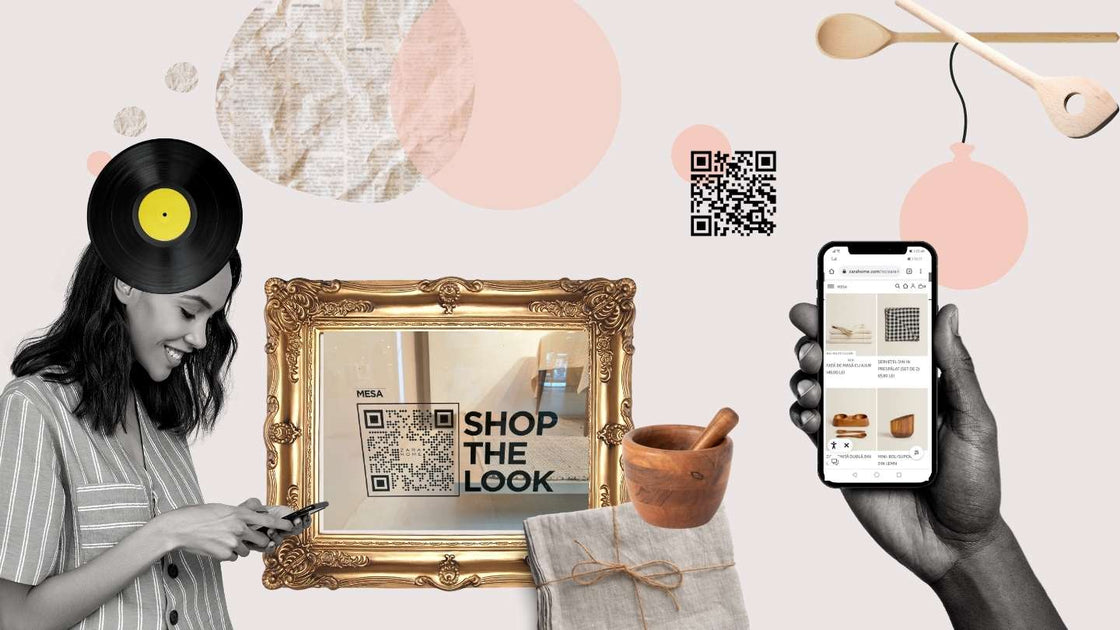
QR codes are already part of the experience for many mobile device users. We find them in payment methods, packaged products, labels, and shop windows. Lately, their use has become widespread for access and on restaurant tables to view menus without contact, as it has been adopted as a measure to prevent the spread of COVID-19.
However, it has not become widespread enough, which is why we are interested in investigating the reasons and understanding how brands are building experiences through its implementation in products and services.
In a recent study conducted by the FREED team, called Phygital Experience, we analyzed these topics and how the use of QR codes influences a customer's experience.
In this article, we provide some conclusions and tips that emerged from this research.
A brief history of the QR code
Before telling you what we found, we want to briefly recall:
a. What a QR code is: A QR code (Quick Response code) is a 2D quick response code, and its creation focused on high-speed reading with the aim of evolving the barcode.
b. How the QR code works: The QR code is read from a mobile device using a QR reader, which is usually built into the device. For example, on smartphones, it can be done with the camera, which is already configured to read QR codes.
c. What the QR code is for: It allows immediate connection between the physical world and a digital environment. For example, from a product's packaging, we can scan a QR code that takes us to a website, or from a physical shop window, we can access a mobile app store.
The QR code was created in 1994 by the Japanese company Denso Wave, which still holds the patent rights. However, the QR specifications are publicly available for anyone to use.
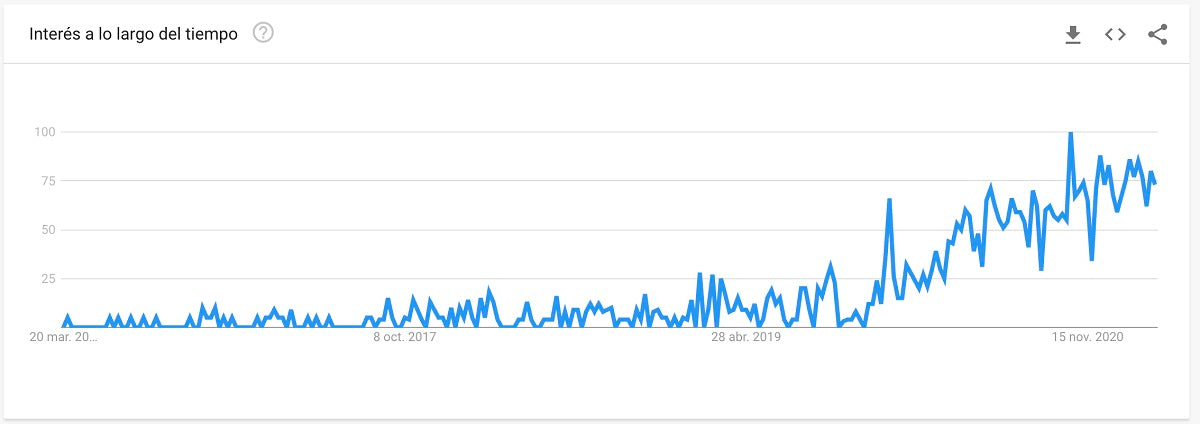
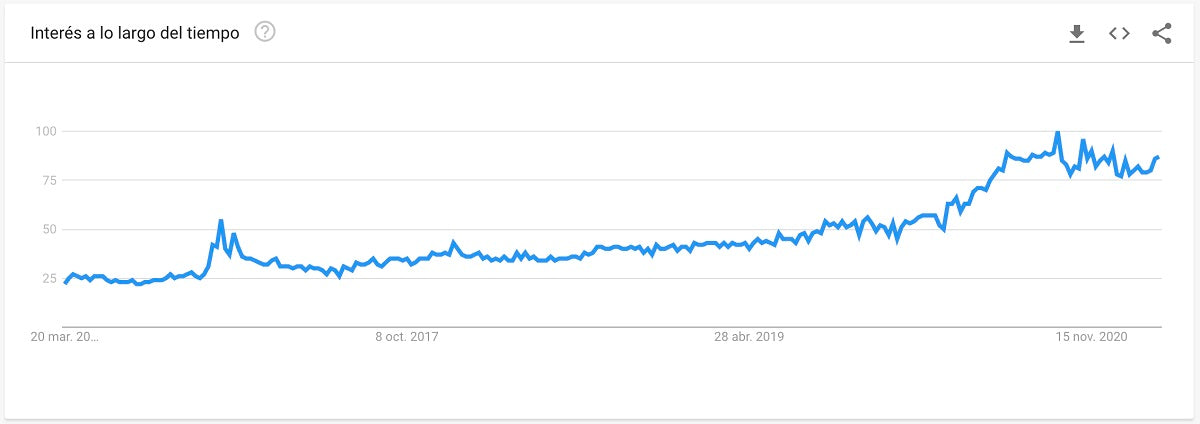
This last point has contributed to its expansion worldwide, and according to Google searches, 2020 was a key year when interest increased significantly compared to the last 5 years, both in Chile (source: Google Trends):
and globally (source: Google Trends):
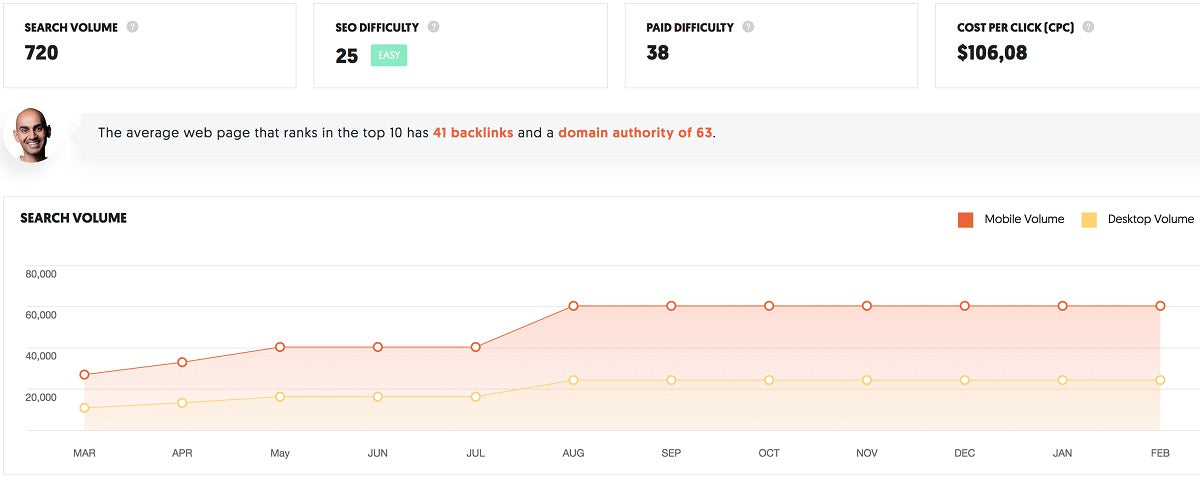
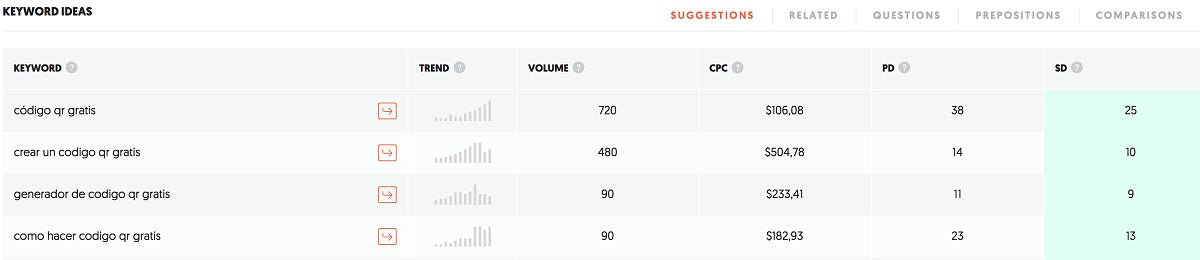
In this same context, we can say that the QR itself is a commodity, which is reflected in Google Chile searches, where many users look for how to generate it for free:
But its widespread adoption and the simplicity of QR code implementation have not been synonymous with success. For example, if we only apply a QR for the convenience of taking a customer to a website and have nothing different to show them, it can bring more disappointment than praise for a brand.
In our observations of local brands, we noted the following:
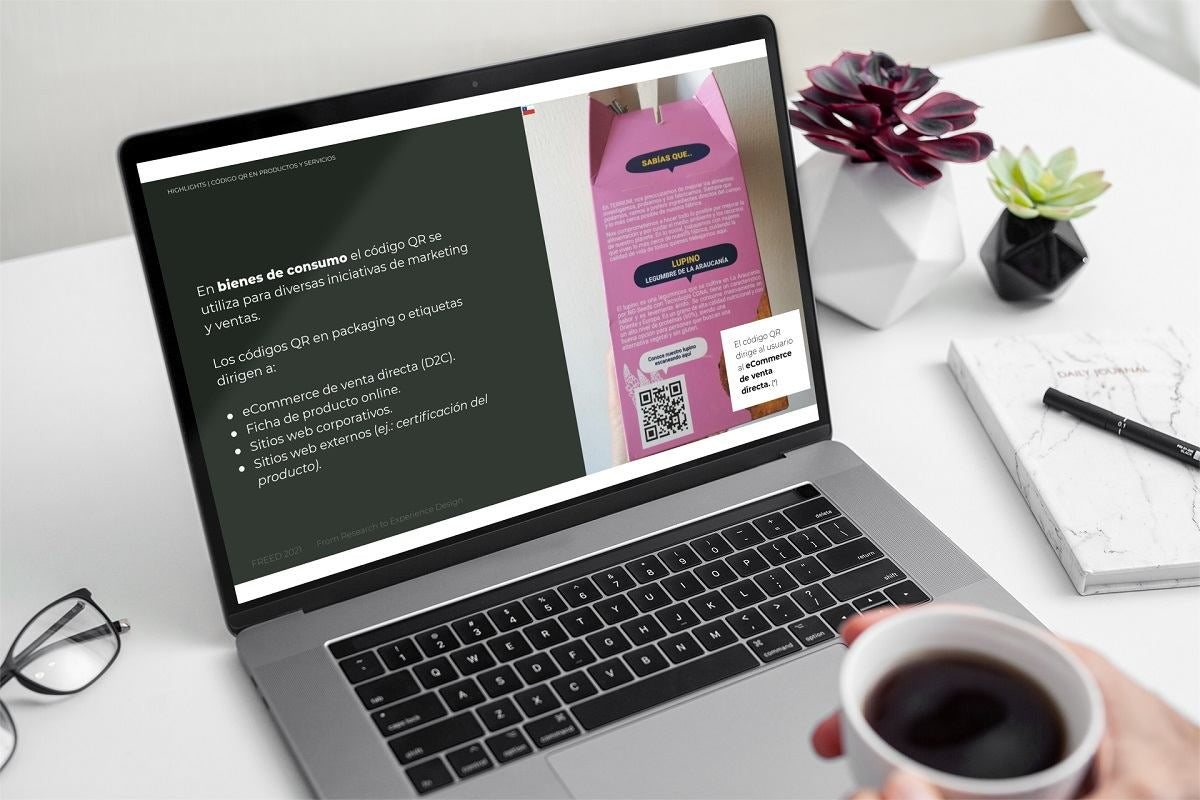
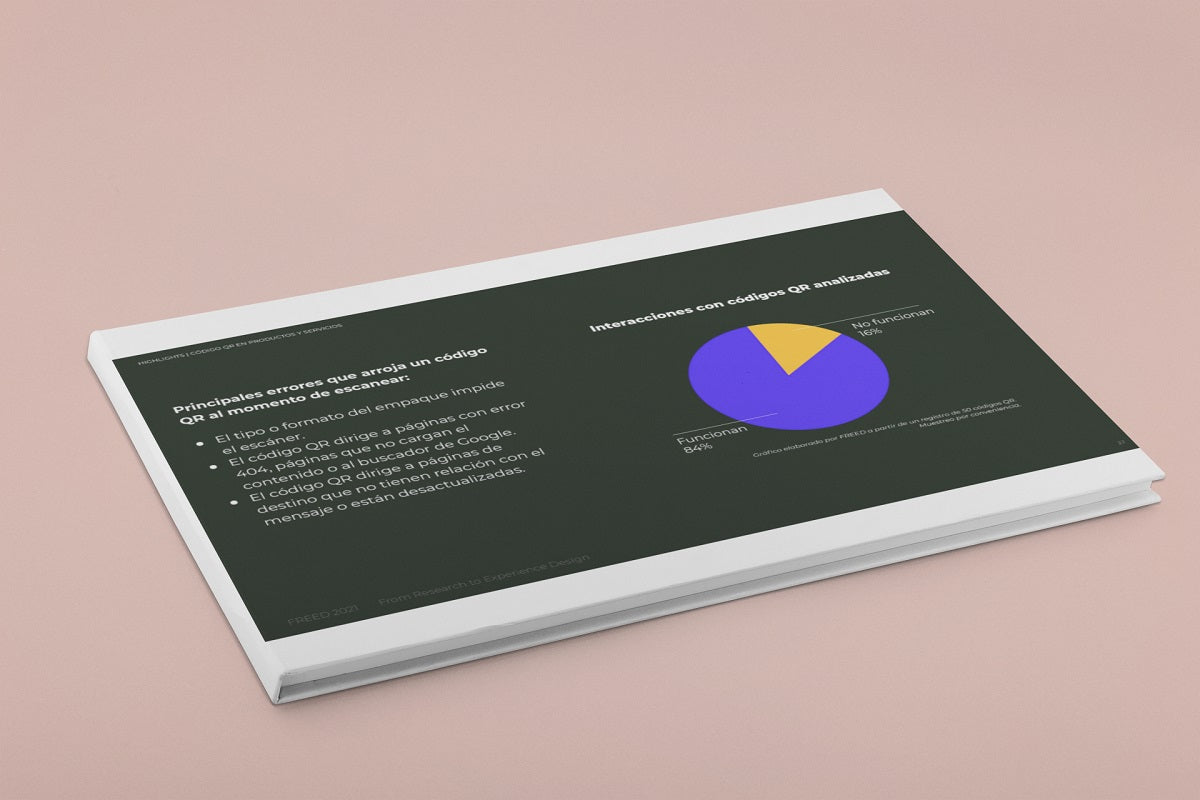
- QR codes are found on packaging, labels, shop windows, furniture, and advertising material. Sometimes the material or size of the QR code prevents it from being scanned.
- Brands generally use it to direct users to a website, app store, social media, or customer service channel. In the vast majority of cases, the content is not optimized for mobile devices.
- Few brands integrate QR into their marketing campaigns. Generally, initiatives are not measured, and the data obtained is not managed.
- Few brands timely measure the traffic generated by the QR code to their website.
- International brands that incorporate a QR on their packaging direct users to an international website. If the packaging is manufactured in large quantities, it not only covers long periods but is also used for all production, including the group of products exported to other countries.
- In the context of a mass event, the QR code can be an excellent example of customer-centric technology and a great pillar in an omnichannel strategy that avoids creating gadgets or applications that ultimately are dispensable and do not help improve the customer experience.
We are facing a tool that can be very useful if we include it within a consistent and coherent experience.
Therefore, here are some practical tips for designing experiences that involve a QR code:
- Define the role the QR code will play in your sales, marketing, or customer service initiative.
- Design the user journey from when they see the QR code until they access the content.
- Define the value of the content you are transferring the user to from a physical to a digital touchpoint and make it clear. One error we found in our study is that brands do not invite people to scan with a clear promise (e.g., "Scan to find new recipes").
- Conduct tests before launching an initiative to the market. Your entire team should pre-experience what you want the user to do.
- Review functional aspects such as the material on which the code is printed, what type of QR you will use, the size of the QR, what types of devices can scan it, etc.
- Review the metrics of your website, applications, and social media to know the percentage of visits from mobile devices, and verify which types of devices users use most.
- Consider that scanning is done from a mobile device, so the content must be optimized.
- In the case of a packaged or labeled product, analyze whether it is appropriate for the code to be printed massively or limited to a group of national or international users.
- Sometimes, intervening in a physical space or product input is not easy, and companies have material manufacturing processes that will not necessarily align with your initiative.
- Define how long the QR code will be valid and develop a plan that allows you to give continuity or closure to the initiative.
- Measure your initiatives, capture data, and manage information to make improvements to your customers' experience.
Finally, we invite you to download for free the Phygital Experience Study: Physical and digital interactions are part of the same conversation. There you can find more examples of QR code applications and the main challenges in designing and developing experiences that combine a physical world with a digital one. Phygital Experience Study [free]