Among the SEO factors covered in our e-commerce SEO guide that we must monitor and optimize for a website and brand to rank organically online, there is one that search engines, especially Google, value more and more every day. This involves obtaining social proof or evidence that your products or services are used by your customers and that they are happy after having purchased them.
You absolutely must always include this item in your SEO strategy and in every SEO audit you perform.
Before going into detail, a thought…
In times of hyperconnectivity, brand creation has increasingly shifted from companies to consumers.
The current scenario is that, when searching for information online to satisfy a need, we are exposed to multiple sources of information during the purchasing process, and often we trust more what other people like us say versus what brands say.
And, while we cannot control everything that is said about the brand, we can work on getting reviews from customers, experts, and influencers to gain organic positioning and recognition.
So, the goal will be to obtain content generated by:
- Users themselves: written testimonials, photos, and videos.
- Experts or enthusiasts who review and test products or services.
Let's see why customer reviews are so important and why this item should be included in your SEO strategy:
- They are an opportunity for customers to publicly share what they like or dislike about products or services and their experience with the brand.
- They build trust with potential customers, driving purchase decisions, because they see that it is safe to do business with the company.
- Search engines track external signals to measure a brand's relevance, authority, and trustworthiness. Here, customer and expert reviews are a crucial ingredient.
More than 50% of the ranking weight in Google search results is based on SEO factors external to the brand's website, such as third-party reviews, relevance, trustworthiness, and authority (research conducted by MOZ.com).
-
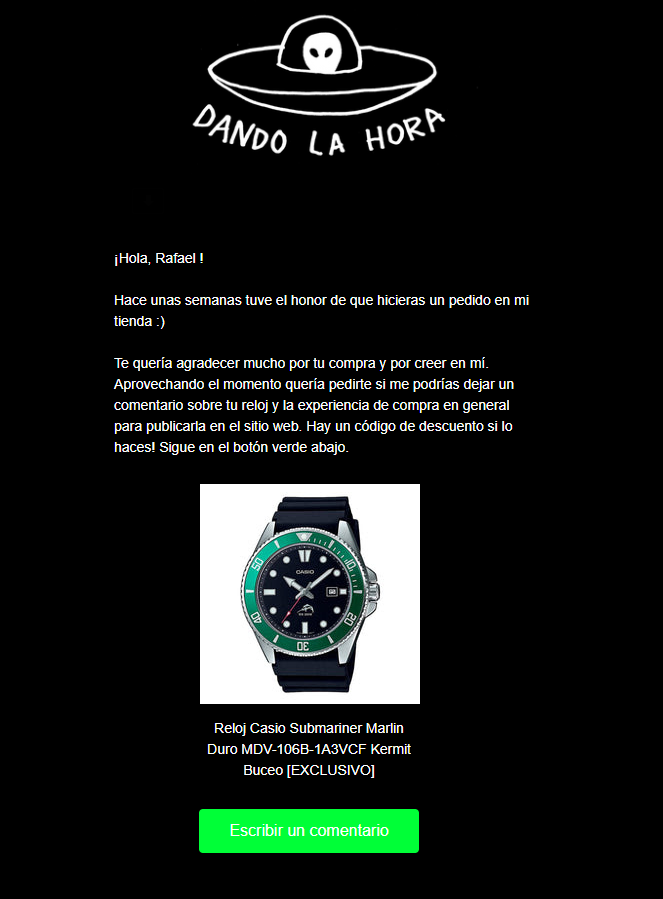
Using email marketing. A few days after the product is delivered or the service is performed, we send an email with a link to the page to leave a comment and a rating:
Email sent by the watch shop Dando la hora to its customers a couple of weeks after they purchased a product from its online store.
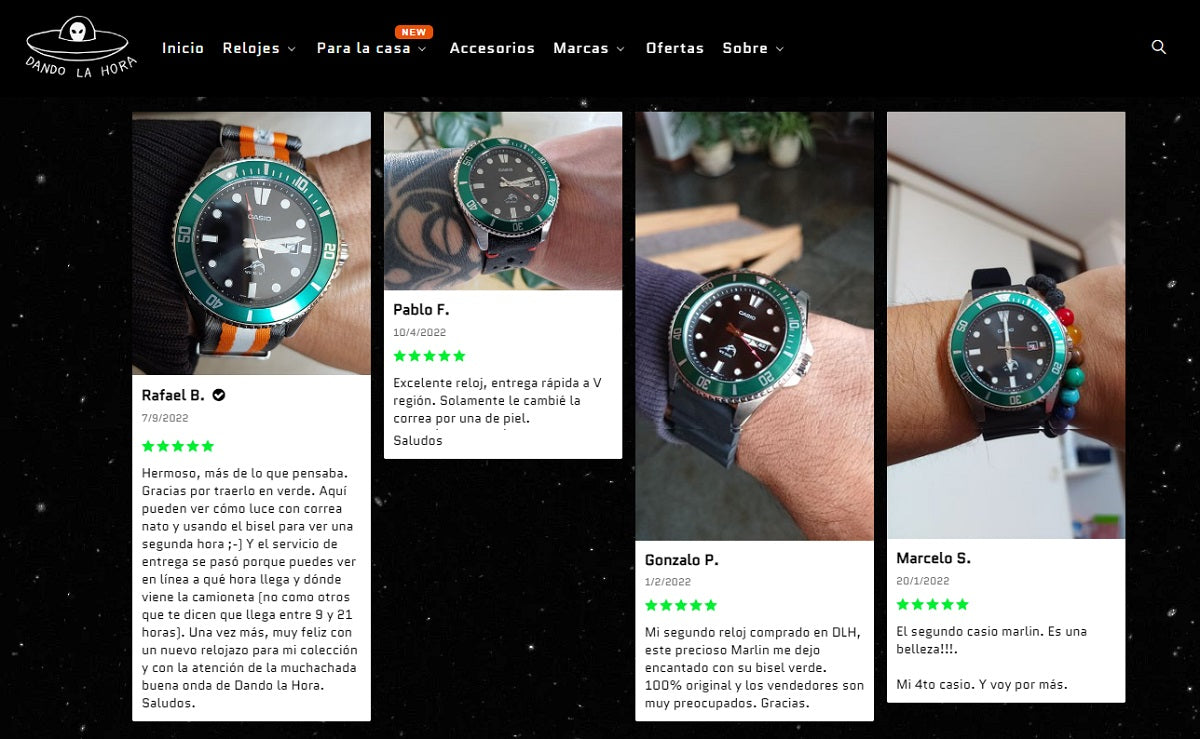
There are automated services that step-by-step ask the customer to give a rating, write a text, and upload a photo. The result is this:
Customer reviews on a product page of the Dando la hora watch shop's website.
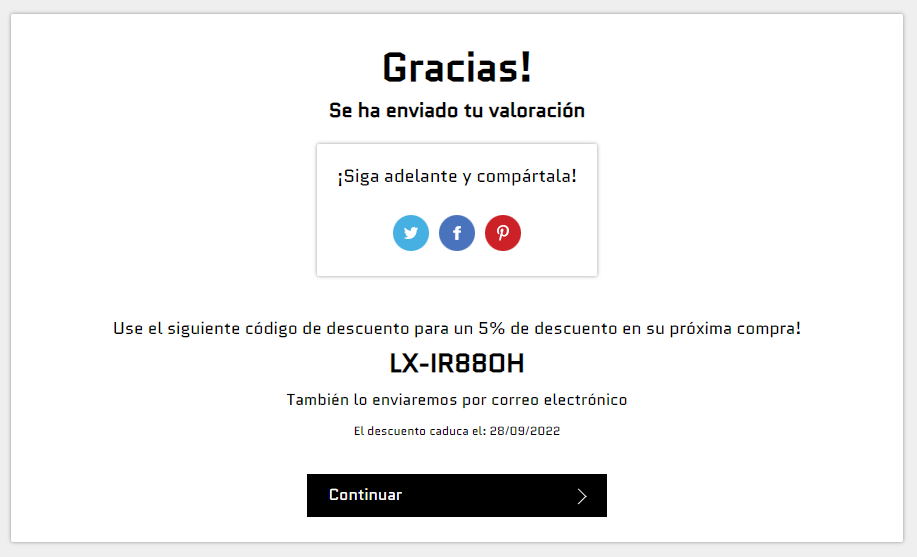
To encourage the customer to leave their review, we can offer a benefit such as a discount on their next purchase:
Example of an email with a discount code for the customer, sent after leaving a product review.
-
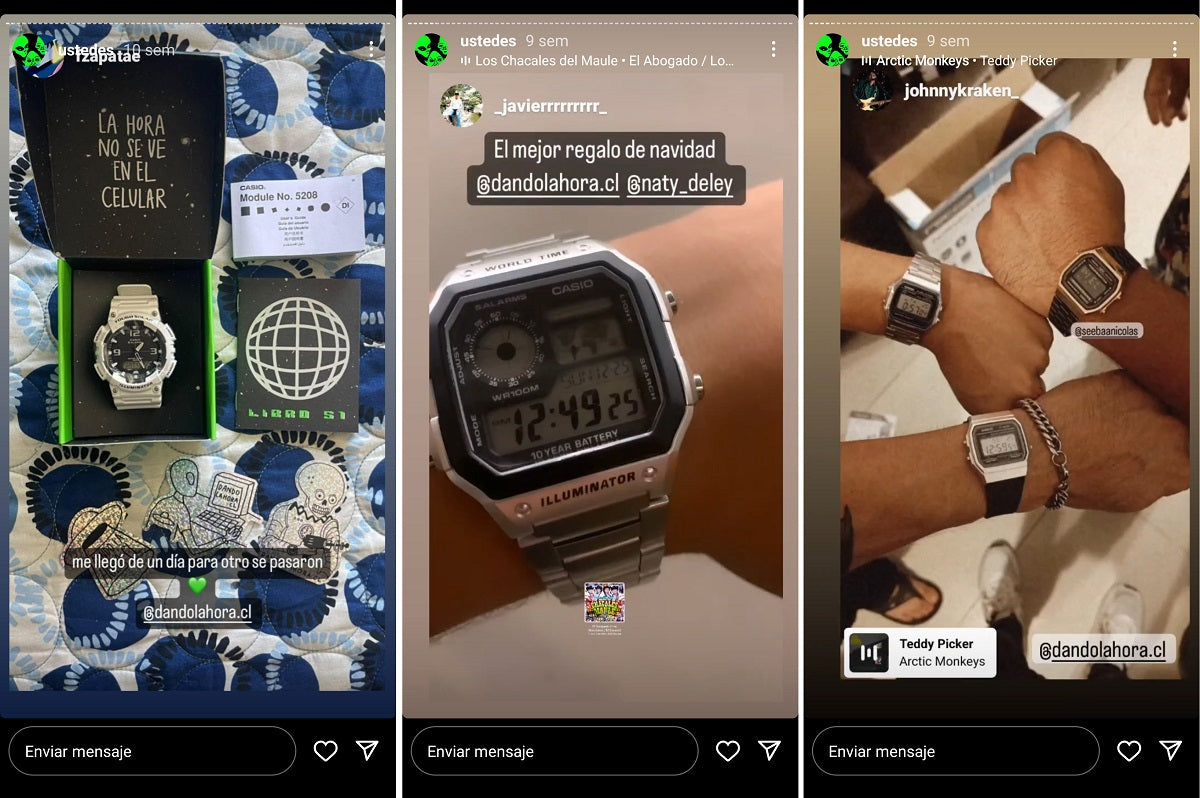
Interacting with the audience on social media through contests and challenges, asking them to tag the brand, use a specific hashtag, and post images with their products. They will continue to do so afterward, even without incentives.
Here we see some stories shared by customers of the watch shop Dando la Hora, which the company saves on its Instagram profile so that potential customers can review them:
-
Turning to influencers and experts to test products or services and generate content about them: opinions, unboxings, tests, comparisons, rankings, etc.
When classifying a website's pages, Google searches the internet for evidence that the brand is known and valued. Likewise, it makes algorithm updates that seek to "better reward higher quality product reviews, content that offers insightful analysis and original research, and that is written by experts or enthusiasts who know the topic well" (Source: Google).
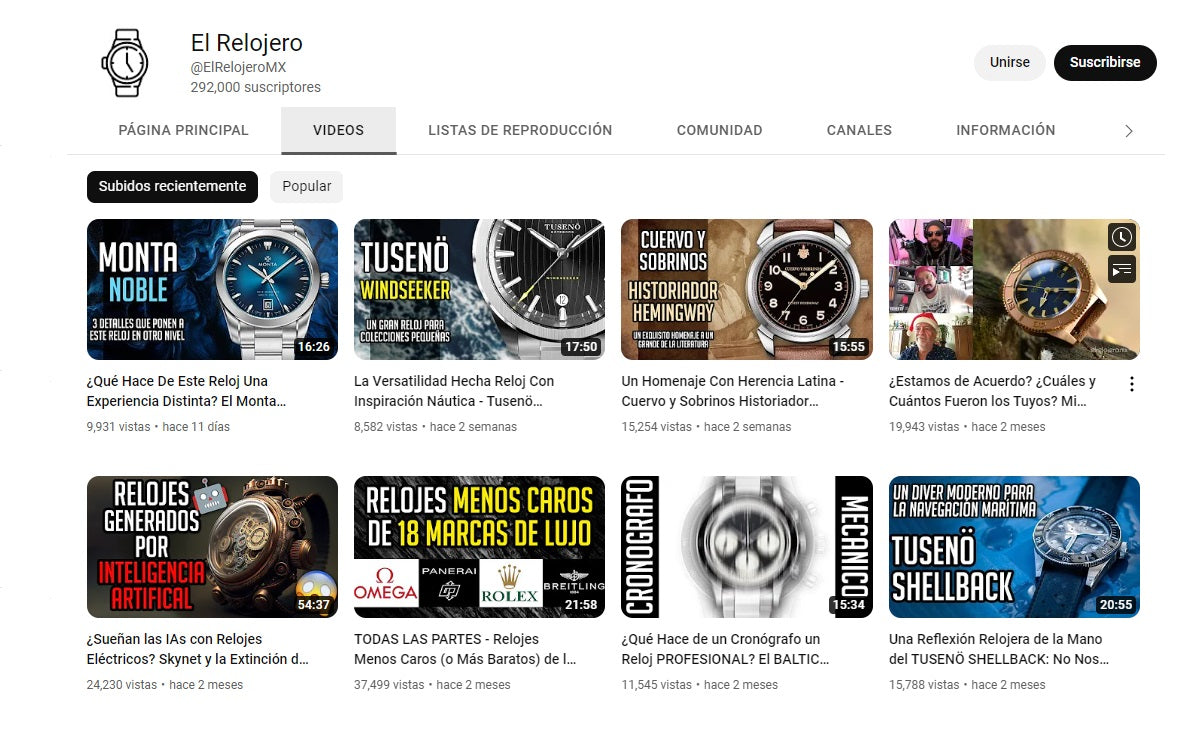
This is the YouTube channel of El Relojero, an influencer whom brands turn to to test their products. If you are looking for information about a watch brand, it is very likely that Google will show you his videos:
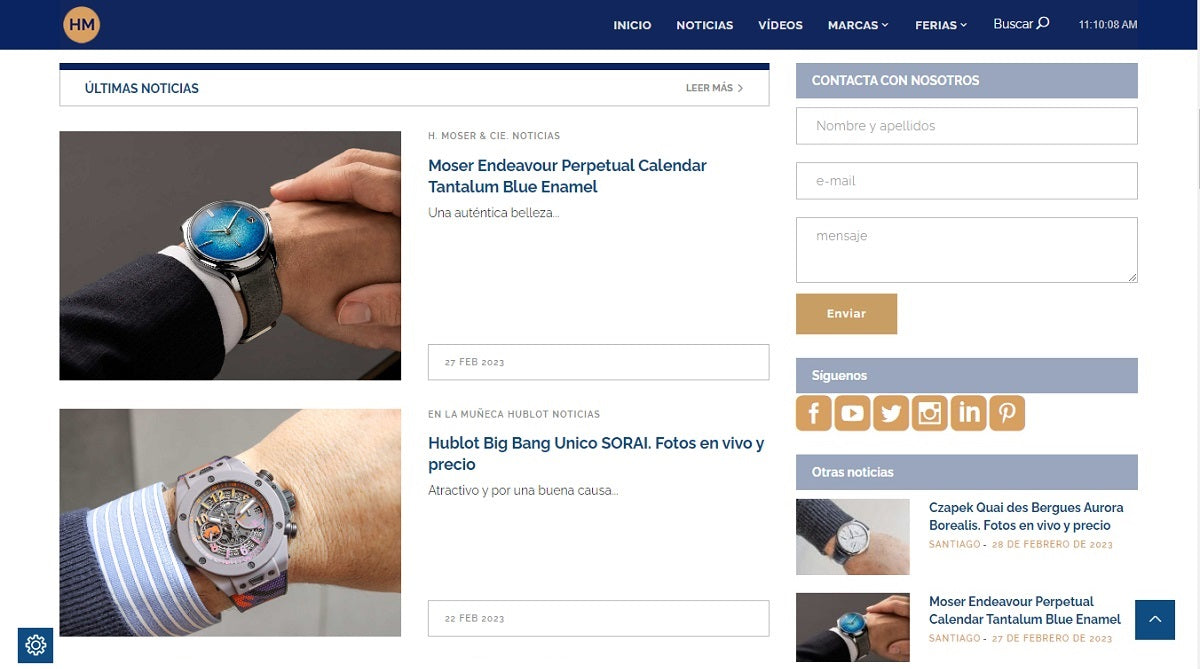
The same goes for Horas y Minutos, a website specializing in reviews and news:
As you can see, not only content created by the brand should be considered in an SEO strategy. Customers, experts, and industry enthusiasts who want to share their opinions with their followers can also talk about it; audiences where potential customers could exist. And incidentally, they help the brand gain authority with search engines.
-
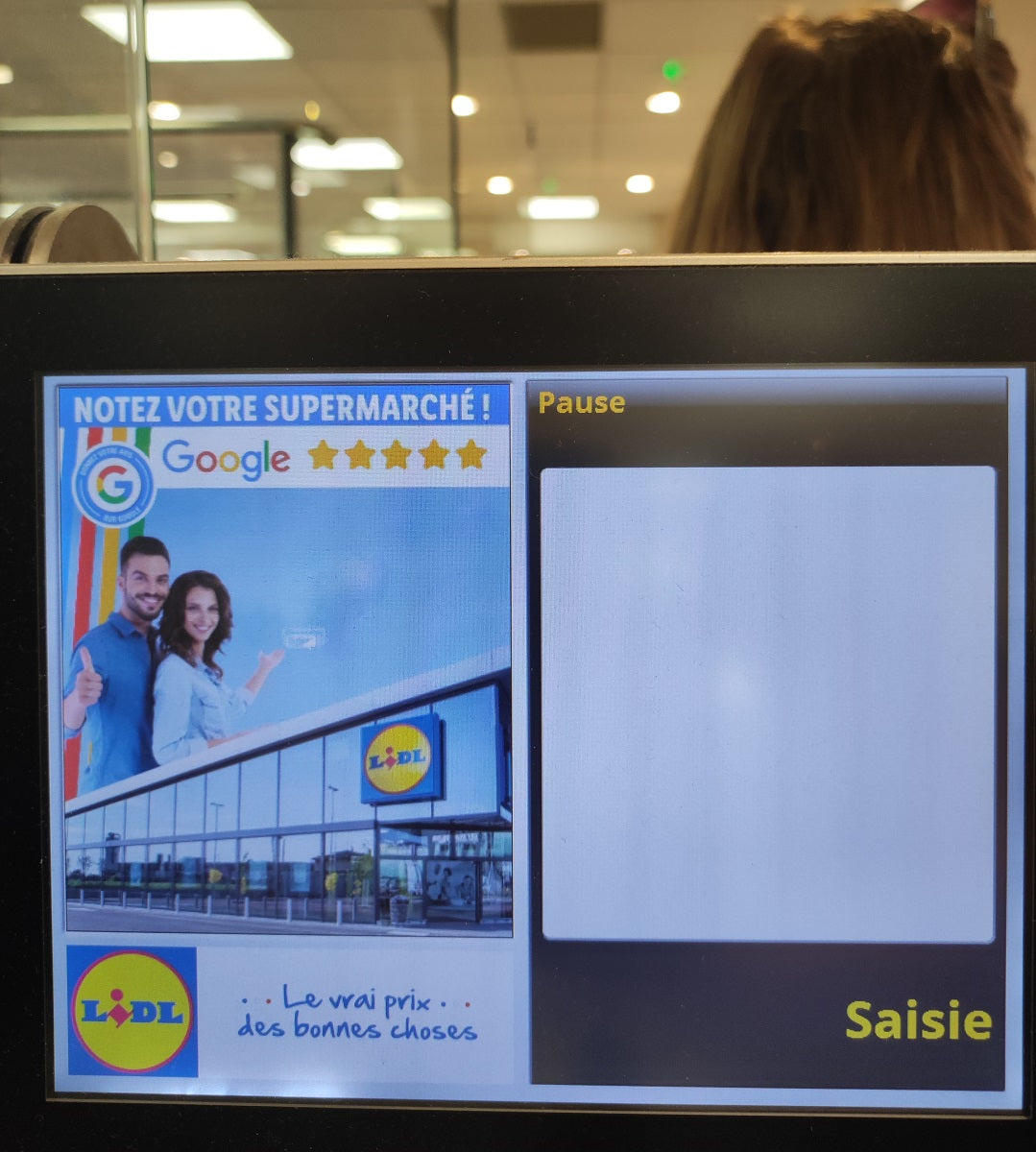
Post a QR code in a strategic place in your physical store or shop, for example at the checkout counters or at the counter where products are delivered, to encourage people to rate the service received.
The idea is for the QR code to take the customer to your brand's Google Business Profile so they can leave their review there, as we will see next.
Beyond the contribution of reviews to the organic growth of the brand, use customer testimonials as a sales argument to show credibility, sales history, and increase conversions.
A simple but powerful idea that I always recommend to my clients is to transform customer testimonials into organic content, both for their sales channels (web, marketplaces, OTAs) and their social networks.

A tool that is very helpful for local SEO is Google Business Profile.
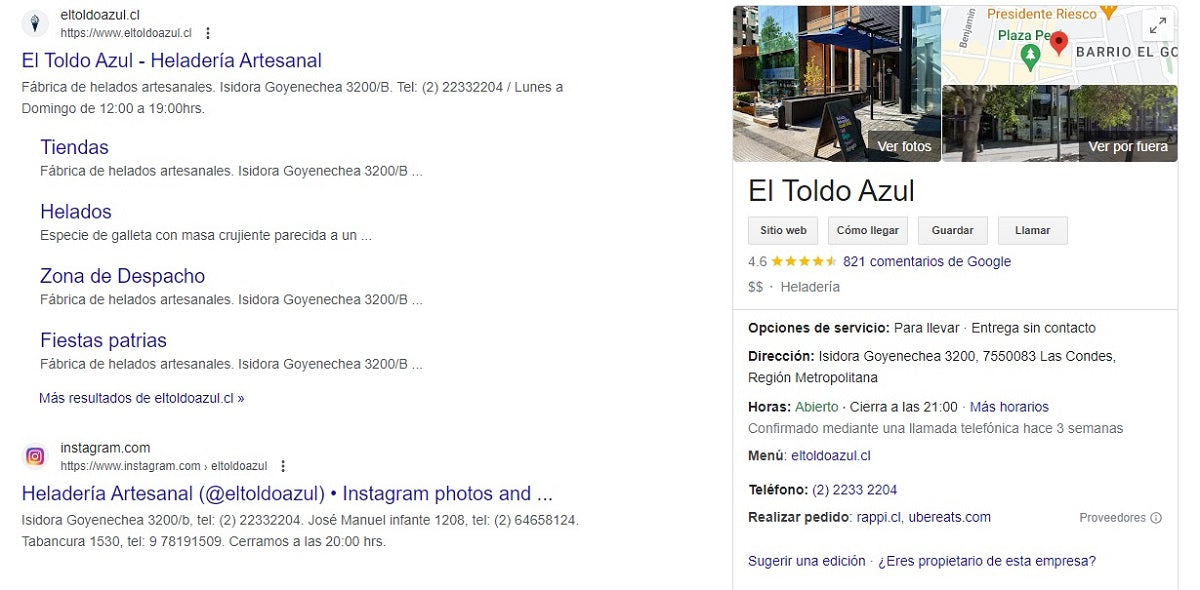
If you search for a brand that has at least one physical store, it is very likely that you will see a card on the right side of the Google results:
By creating an account for the brand on this platform, potential customers can quickly find information about the company and easily locate its store or main office. It displays the address, geolocation on Google Maps, opening hours, website, and, of course, customer reviews with their photos of the place.
If it is a new business, it is highly recommended to include the activation and permanent administration of a Google Business Profile account in your SEO strategy, as it will encourage the search engine to index your website's pages, which is vital for organic positioning, and your brand will gain authority.
Have you used any of these or other techniques to get reviews? Tell us about your experience.
Featured photo by Abillion on Unsplash.

 By
By 
![Digital Marketing Strategy: Mistakes to Avoid [Part 2]](/content-images/ed2c5ae4-errores-comunes-marketing-digital.jpg)