
FREED Guide · Selling on Marketplaces
Selling on Marketplaces: A Guide to Third-Party Platforms
A marketplace offers something difficult to achieve on your own: existing traffic and buyers with purchase intent. In return, it demands commission, external rules, and a customer relationship that isn't entirely yours. In this guide, we gather our articles on selling on third-party platforms, positioning within the catalog, and multichannel strategy, to help you decide with data if it suits you and how to make the most of it.

Featured guide

Marketplaces: Pros and Cons of Opening Your Online Store on These Platforms
I'll explain what a marketplace is and the pros and cons of opening your online store on these e-commerce platforms, with a perspective from Latin America.
Read the guideDecide: What you gain and what you give up
Before opening a store on a third-party platform, it's wise to understand the real exchange: visibility and logistics in exchange for commission, rules, and customer data.
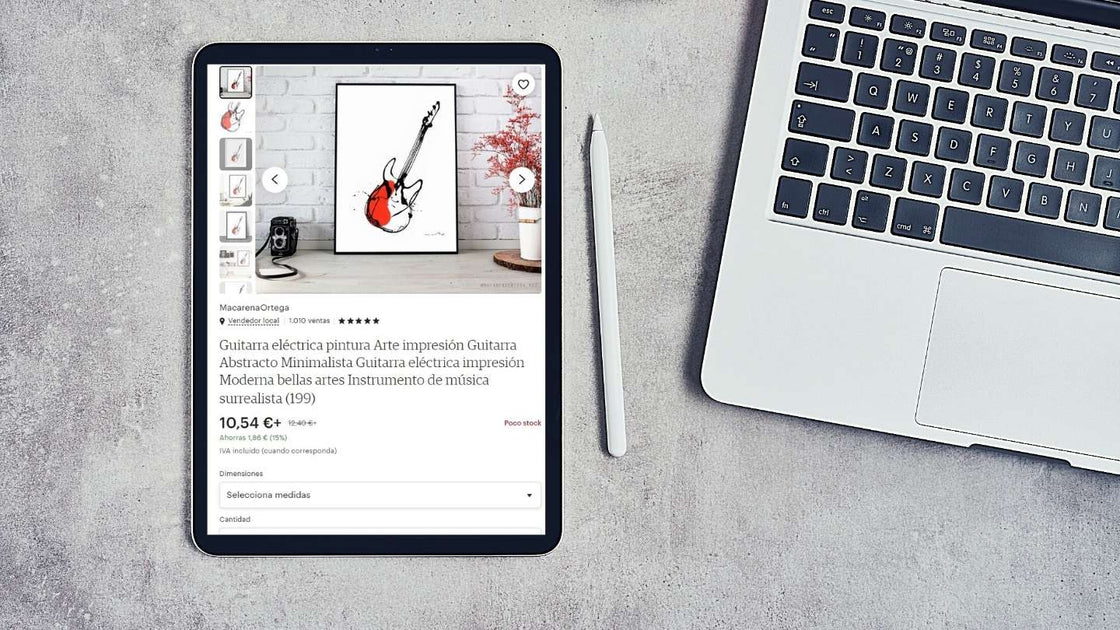
Getting found within the platform
Within a marketplace, you compete on an external search engine. Understanding how people search and how a product listing is built determines whether you appear or not.

Understanding e-commerce Search Patterns: The Home and Decor Market Case Study
A good search experience is vital for successful e-commerce purchases. We analyze Google searches for Home and Decor products.

Google Ranking: Optimize Your Product Pages
Learn how to optimize your product page titles, descriptions, images, and more to improve your organic ranking on Google.

Keyword Research Guide to Find an Online Niche Market
A guide to conducting your own keyword research using the right tools. Find relevant terms for your product or service.
Don't depend on a single channel
The risk of third-party platforms is dependence. These articles address channel diversification and direct customer relationships.

Facebook Outage and e-commerce: Don't Put All Your Eggs in One Basket
The moral of the Facebook outage is not to put all your eggs in one basket. Your e-commerce business shouldn't rely so heavily on social media.
Read the guide
WhatsApp CRM and Other Tools to Stand Out in E-commerce
Did you know there's a CRM for WhatsApp? That software, plus SEO, chatbots, and social media, will help your business stand out in e-commerce.
Read the guide
Improving e-commerce UX: 10 Essential Tips
How to improve UX in e-commerce? - Practical tips to solve common user experience problems in e-commerce.
Read the guideGet more guides like this one
We publish analysis and practical guides on user research, customer experience and digital business. Subscribe and we will let you know with every edition.
No spam. Unsubscribe anytime.