Traffic from organic search results is essential for increasing a brand's relevance and authority, as well as online sales. However, even the most robust SEO strategy can face unforeseen challenges such as significant drops in organic traffic. In this article, we will review the possible causes of these declines and some SEO tools that collect data on a website's performance and offer insights to understand what is failing and what you can do to reverse the negative trend.
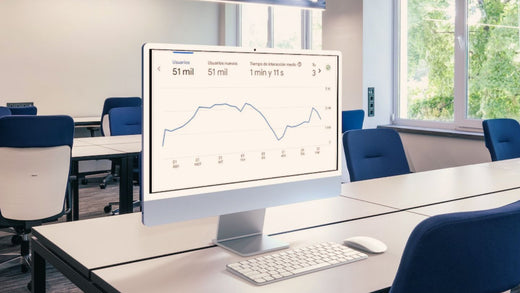
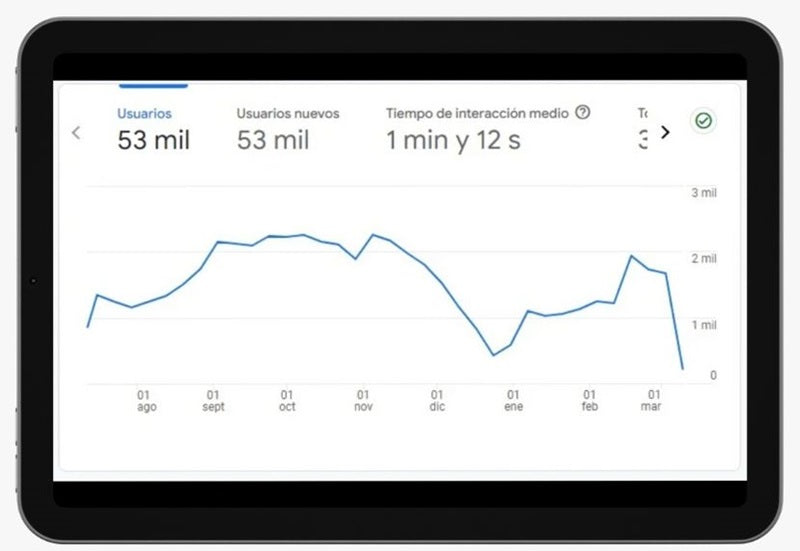
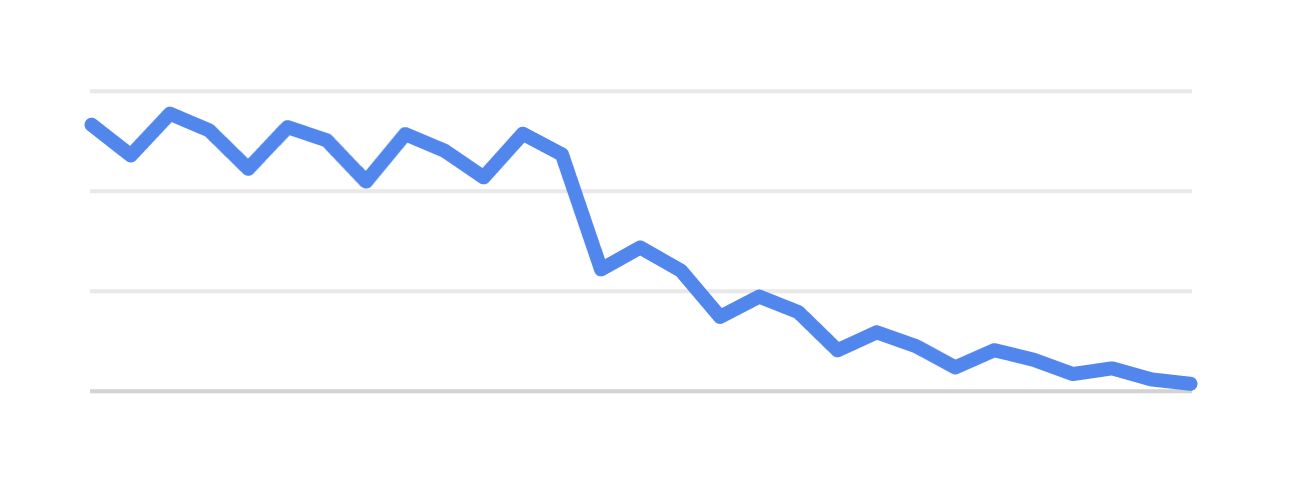
These drops in organic traffic (like those you see in the graph above extracted from Google Analytics) can be alarming because they directly harm the website's organic ranking. So, identifying the root of the phenomenon is paramount, which is why we always start by recommending something very basic: use
Google's free SEO tools, starting with
Analytics and Search Console, as they allow you to constantly monitor your website's performance (traffic and organic ranking).
<p>
Let's dive into the possible reasons for organic traffic drops.
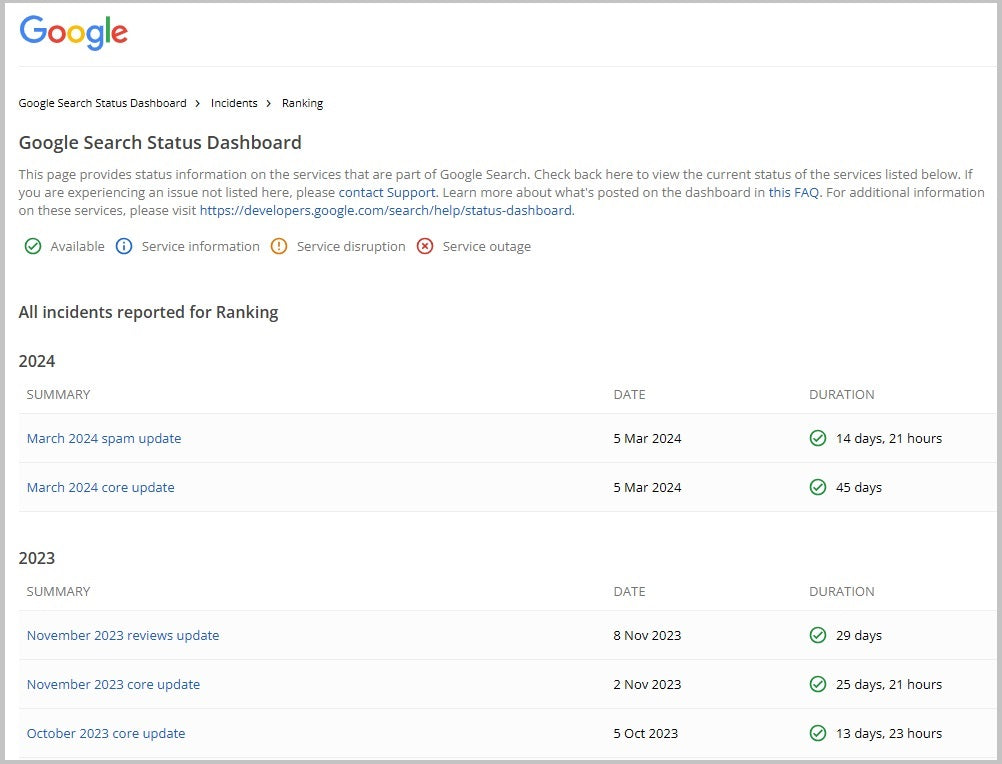
The biggest headache for SEO professionals is Google updates. When they are very frequent, as happened in 2023, you can suffer a drop in your metrics, and before you understand why it happened, another update is already launched.
And it's not just about the main updates but also those aimed at preventing spammy or unhelpful content from ranking. Sometimes, good content can be caught in the crossfire, and at FREED, we have been analyzing this impact: we suspect that some of these updates might have minimally affected us, even though our content is serious, useful, created by professionals, and not designed to trick the search engine.
The thing is, Google constantly updates its algorithms to improve user experience and provide results that truly answer search intent. These updates can significantly affect a website's organic ranking if it doesn't adapt to the new criteria, such as:
- content relevance,
- content freshness,
- link quality, and
- user experience (UX).
Regarding content updates, you should pay attention to topics that evolve over time. For example, if you have articles about the features and functionalities of a platform (Shopify, Ahrefs, Canva…), you should stay informed about their updates and releases to make changes to your content. Especially now that artificial intelligence is being integrated.
Sources:
If you want to stay up-to-date on Google's periodic updates, check out Google Search Status Dashboard, and we also recommend this Google article that explains what core updates are about.
2. Low-quality content
It's already the norm for Google, and it has been stating it with its latest algorithm updates: we must publish content that is useful, original, and offers added value. In other words, don't just copy from other sources to publish more of the same or something that doesn't satisfy users' search intentions, because the result will be a decrease in organic ranking.
At this point, it's important to demonstrate expertise in the subject, that you have experienced what you are talking about, and that you have an opinion on it. And look for long-tail keywords that respond to search intentions not being addressed by your competition.
Source:
If you have doubts about this point, consult the document Helpful content and Google Search results FAQs.
If your competitors improve their SEO strategy, produce higher quality content, or implement more effective digital marketing strategies, they can take visibility away from your website, capturing a larger share of the market you are competing in and displacing your organic ranking in search engines.
At this point, you should also consider the loss of quality links, which is related to your link-building strategy. Backlinks from authoritative websites are a key factor in the ranking Google assigns to a website. Therefore, the loss of these links can decrease your domain authority, which in turn negatively affects organic ranking in search engines.
It can also happen that your competition is getting better quality links.
In these cases, what you have left is to improve your public relations campaign to get new quality backlinks and even review the content of your pages that lost those links because you might need to update them.
Finally, and perhaps the most complex to visualize, is when your competition performs consistent SEO work over time, while your company does not.
Tools:
To perform an SEO analysis of your competition, you can use Ahrefs and Semrush, both are excellent SEO tools.
4. Poor on-page optimization
This is part of your on-page SEO strategy, and if you detect that organic traffic has dropped, it may mean that the optimization is weak and the content is not properly optimized. Here you should review:
- The target keywords.
- The title (H1) and subtitles (H2).
- The title tag and meta description.
Problems at this level will lead to the content not capturing users' attention.
Tool:
If you want to perform an SEO diagnosis of your website, you can use the Ubersuggest platform.
5. Outdated content
In line with the previous point, it's not just about optimizing metadata but also strengthening and updating content, if relevant. If you wrote an article in 2021, has anything changed in these years? From statistical data to new references and technologies or advances in the subject you are addressing in that article; it's important to review and update to avoid outdated content.
As a first filter, one should consider whether that content warrants being updated. If it doesn't, and there was indeed a drop in traffic, ignore that drop.
On the contrary, if the topic is still current, you should consider making an update.
A website with technical errors can be difficult for search engines to crawl and index. Therefore, they prevent pages from appearing in search results or negatively affect the user experience.
Among the technical problems you may find:
- A bad robots.txt file configuration.
- 404 errors for pages that no longer exist.
- Page redirection problems.
- Slow page loading speed.
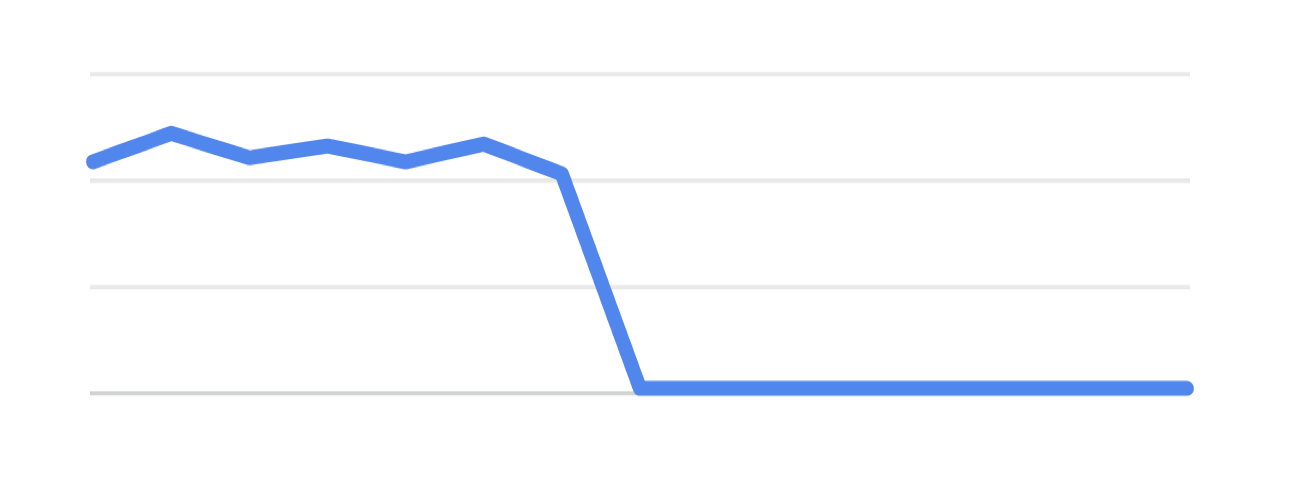
If the technical problems are at the website level, in Google Analytics you would see a graph like this:
Source: Google
And if it's about technical problems at the page level, it would look like this:
Source: Google
Tool:
To detect some of these errors, you can use the Ubersuggest SEO platform.
Regarding page loading speed, let's be clear: today, no one waits more than 5 seconds for a web page to load. Therefore, slow loading speed will negatively affect user experience and search engine algorithms' perception of site quality, which will be reflected in a drop in organic ranking for two reasons:
a. Users don't enter your pages because they get bored waiting and go to another website.
b. Your pages will have lower rankings in Google search results and, therefore, will lose visibility.
Tool:
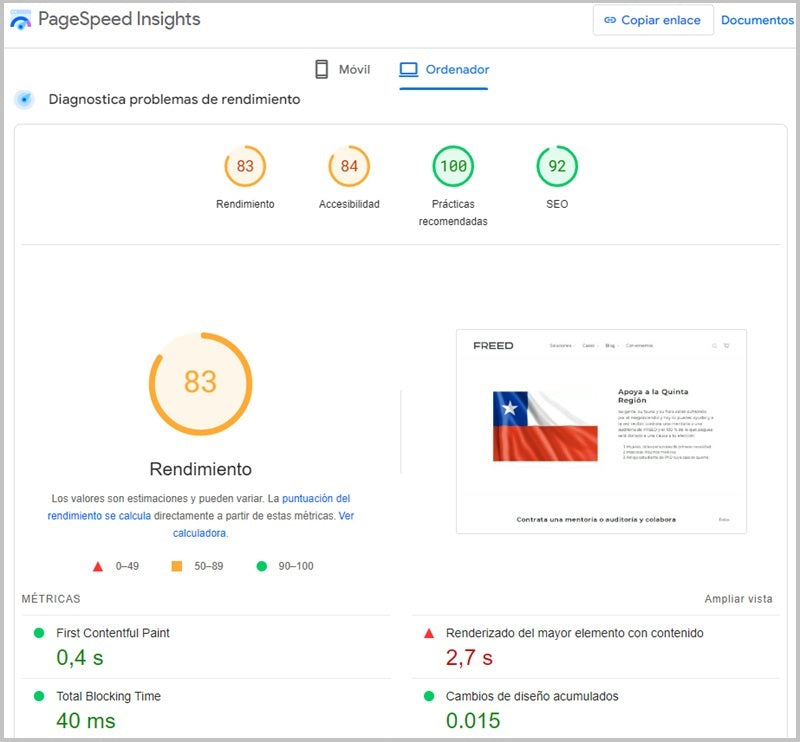
To diagnose your website's performance, you can use Google's PageSpeed Insights.
And what happens when you make significant updates to the website structure? Here you must be careful with URL changes and implement appropriate 301 redirects, otherwise users will encounter 404 error pages.
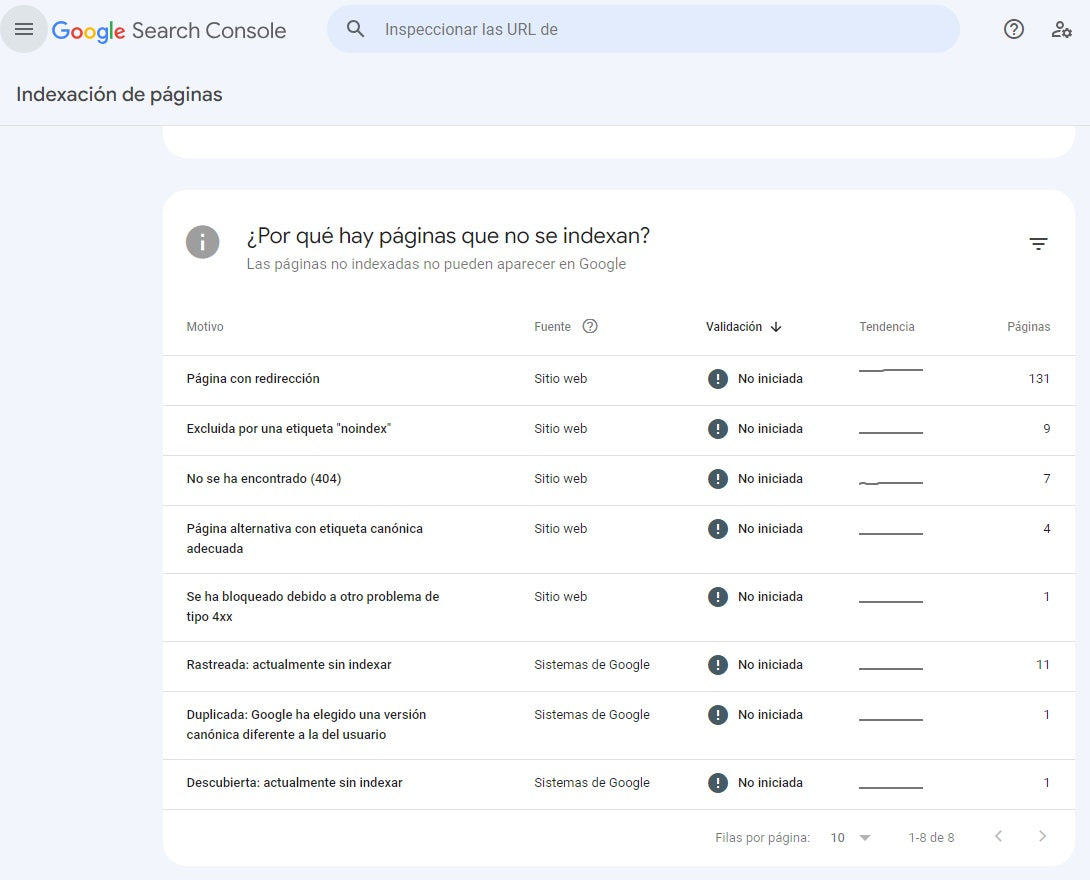
One of the immediate effects of technical problems will be seen in the indexing of pages. And if pages are not properly indexed, they will not appear in search results.
Source:
In Google's help center, you can consult the guide Possible reasons for indexing issues.
Tool:
The essential SEO tool for tracking the indexing of a website's pages is Google Search Console.
You should also test your website with real users to discover if there are usability and user experience (UX) issues. For example, a design change was made and it is unintuitive, it does not adapt well to mobile devices, or navigation became complicated. All these factors frustrate users, increasing the bounce rate and negatively affecting organic ranking.
Violating the guidelines of Google or other search engines can result in penalties that severely limit a website's visibility in search results. Generally, these penalties are applied for engaging in bad practices such as Black Hat SEO, which are aggressive actions that seek to trick the search engine to obtain a better organic ranking:
- Excessive use of keywords or keyword stuffing.
- Participating in backlink schemes and paid links.
- Hidden content, cloaking, doorway pages or gateway pages, Blog SPAM, among others.
Tool:
To stay on top of your website's digital health, you should check the reports from Google Search Console.
Source:
We recommend consulting Google's guides and documents, starting with the Google Search Essentials.
Not everything is so complex, and it could be a simple problem with the analytics tool configuration. You might also be misinterpreting the data and having a wrong perception of the traffic drop when, in reality, the problem lies in the measurement or analysis.
Source:
If you are using Google Analytics, we recommend consulting Google's complete guide [GA4] Set up Analytics on a website or app.
If your problem is at the traffic measurement reports level, in Google Analytics you would see a graph like this:
Source: Google
Search trends constantly evolve, and what was once a popular topic can lose interest over time. If your website's content doesn't keep up with these trends, it may experience a decrease in organic traffic. Research and analyze if people's behavior has changed and they are no longer as interested in the topics you cover or have become unconcerned about them.
Tool:
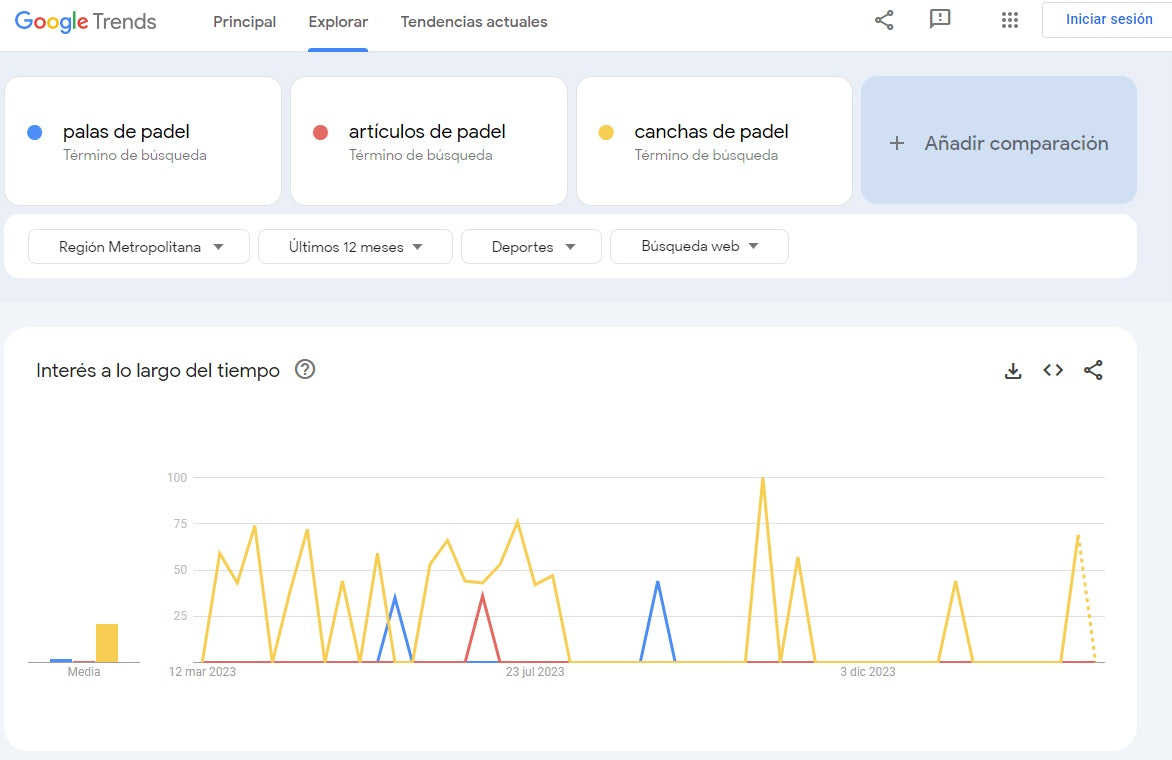
For your research, we recommend using Google Trends, one of the free SEO tools you should consult periodically. Here you can find out how the keywords you use in your content and the topics you cover have evolved over time. You can also discover what people in your target market are searching for.
Search interests can be seasonal or affected by political or economic contingencies. Therefore, you must know how to interpret the data provided by tools like Google Analytics and compare current metrics with those from previous years.
For example, you should consider:
-
Summer and winter holidays, both in your region and in countries in the other hemisphere where you have a significant audience.
-
Holidays such as Christmas, Easter, Mother's Day, Father's Day, National Holidays, etc. Unless you have an e-commerce that sells related products and services, or a website that talks about them, you are likely to experience traffic drops because people are in a different mood.
-
Social and political contingencies, inflation, or an economic crisis will divert attention to other topics, and even the consumption of content, products, and services in some sectors could be restricted.
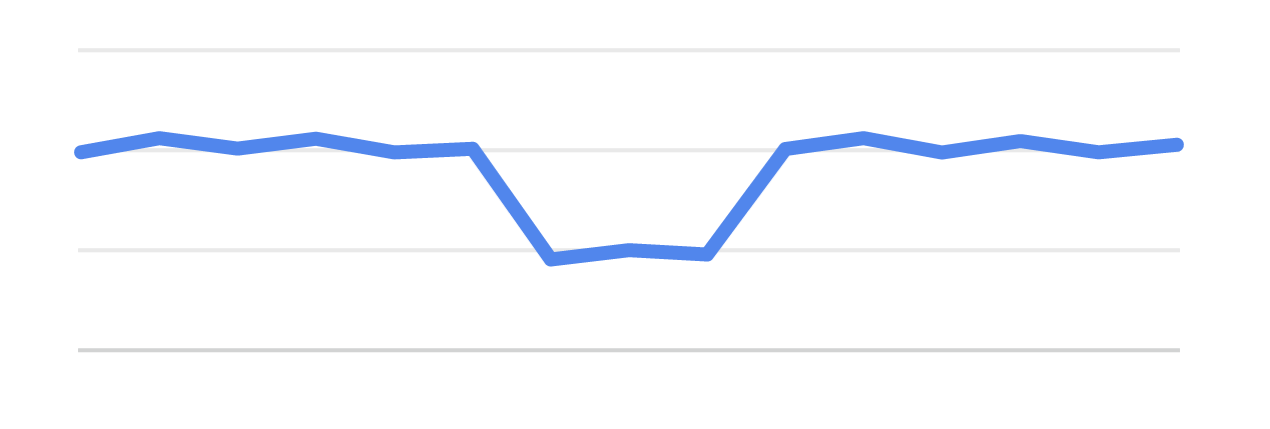
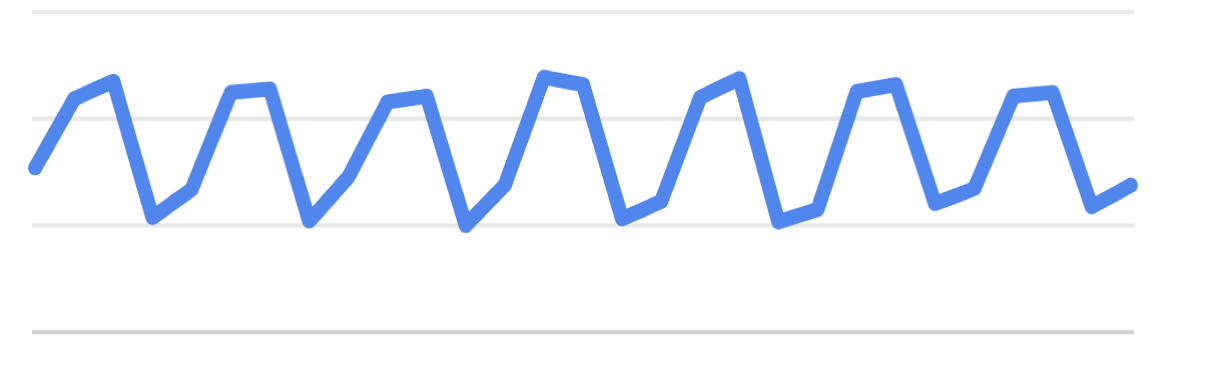
If the cause is seasonality, in Google Analytics you would see a graph like this:
Source: Google
Have you detected drops in your website's traffic? Could it be for any of the reasons we saw in this article? Investigate and analyze your metrics. If you want to delve deeper into this topic, we recommend consulting Google's guide Why has my site's traffic dropped?

 By
By