Facilitating an innovation workshop means guiding a team, within a limited timeframe, from a real problem to a user-tested prototype. In this article, we share the 2-day agenda we use in our workshops, the essential materials, and the most common mistakes we see repeated.
The facilitator doesn't provide the solution: they design the conditions for the team to find it. This means preparing the room and materials before participants arrive, explaining each exercise with a brief content introduction plus the work tool, managing time with a visible timer, and systematizing what emerges so that nothing is lost between one activity and the next.
In our workshops, each practical activity opens with a mini conceptual introduction and closes with a debrief. This "brief content + exercise + debrief" pattern is what sustains a well-facilitated innovation workshop, whether you're working through the 6-step innovation process completely or just a segment of it.
The first day is dedicated to understanding the problem before thinking about solutions. A typical agenda for a 2-day service design workshop is:
- Block 1 (morning): Introduction to the discipline and key concepts, so that each participant connects the method with their own area.
- Block 2 (mid-morning): User research exercise: the interview structure is defined, and the team goes into the field or reviews on-site observation.
- Lunch.
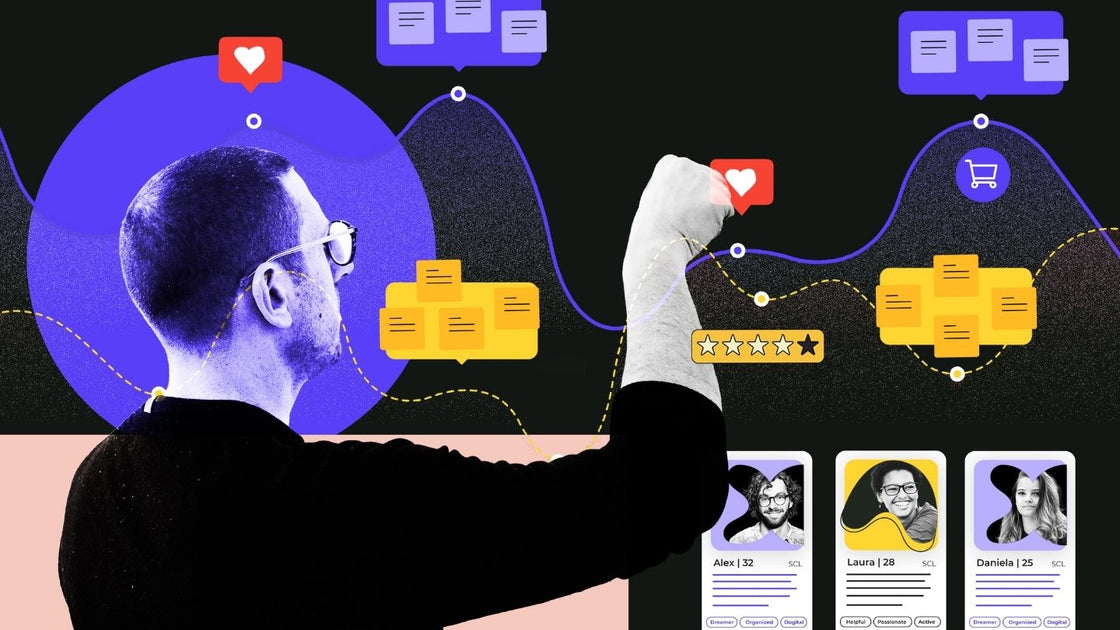
- Block 3 (afternoon): Systematization of collected data, identifying user archetypes and mapping the customer journey.
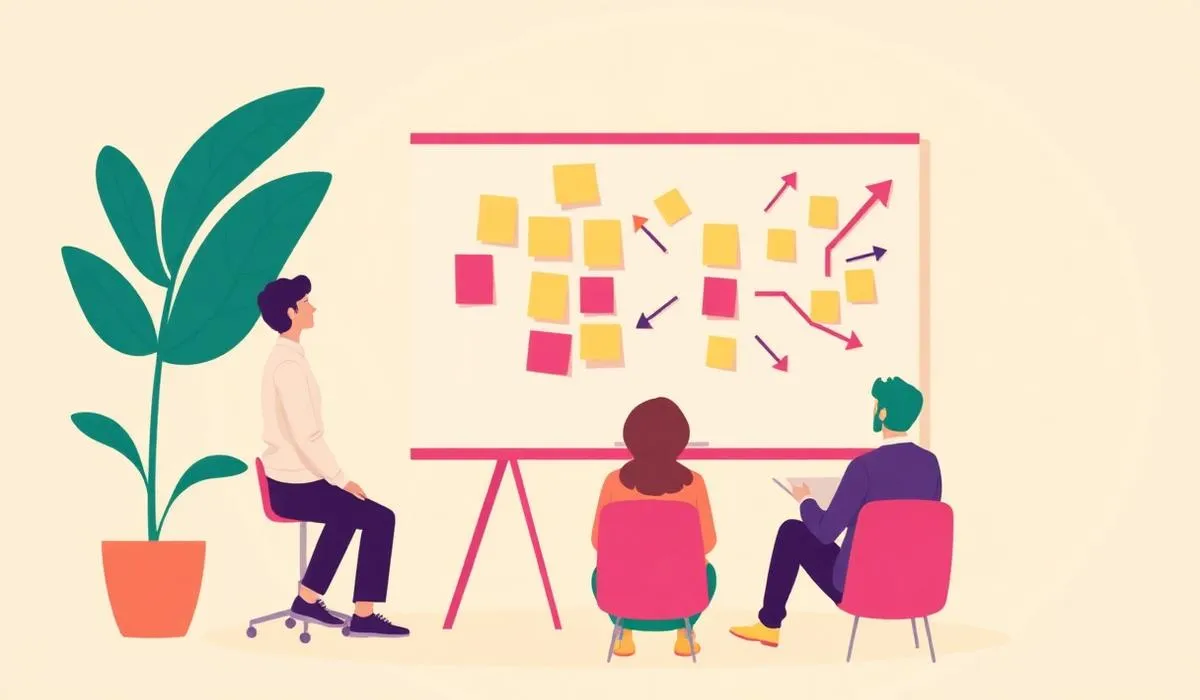
The day closes with the findings already organized on post-its on a wall or map, ready to become design challenges the next day.
The second day starts with a brief summary of the previous day's work, to bring the entire team up to speed, and continues with this sequence:
- Exercise 3: Generation of design challenges, prioritization, and selection of the idea(s) to be prototyped. Methods like SCAMPER or an idea prioritization matrix are useful here.
- Exercise 4: Prototyping of the chosen solution, using simple materials (paper, cardboard, post-its).
- Lunch.
- Exercise 5: Testing of prototypes with real or simulated users.
- Exercise 6: Systematization of testing results.
- Closing: Each team presents their discoveries, learnings, and the proposed prototype.
This same structure, with adjustments, works for lean startup workshops, where the second day ends with a first minimum viable product instead of a service prototype.
An innovation workshop relies on simple physical materials, not complex technology. In our workshops, we always bring:
- Printed templates for each activity (empathy map, customer journey, prioritization matrix).
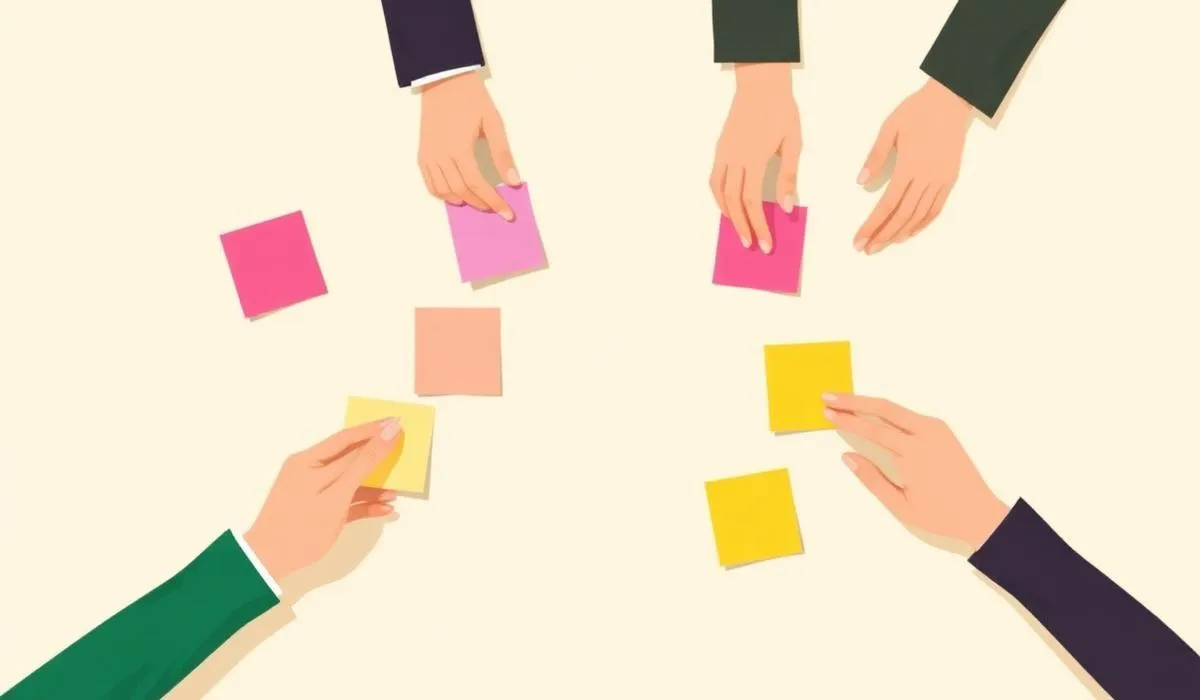
- Post-its in at least two colors, to differentiate problems from ideas.
- Sharpie markers, which encourage writing short, legible ideas from a distance.
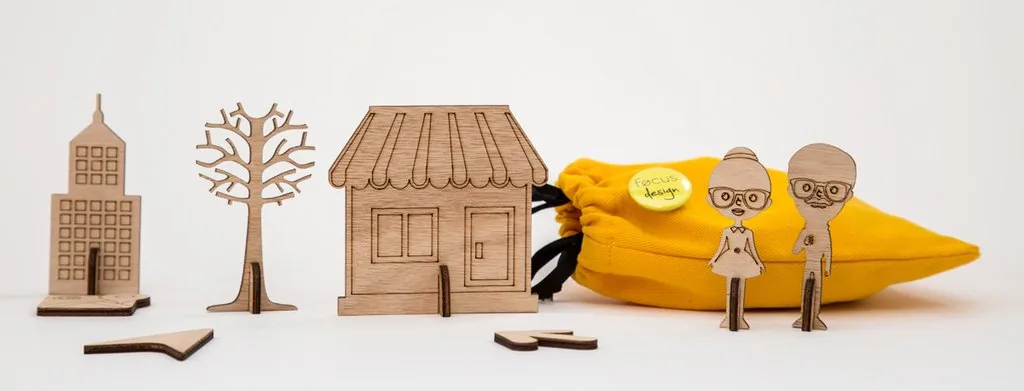
- Prototyping materials: paper, stickers, stencils, and, if applicable, supporting characters or figures.
- A visible stopwatch or timer for the entire team.
If you need to assemble this set from scratch, check out how to use a lean design kit as a reusable material base.
During the two days, your work as a facilitator focuses on three fronts. First, kick off each exercise with short instructions and a concrete example, because a team that doesn't understand the task in the first minute will waste ten trying to decipher it. Second, circulate among the tables to unblock stalled conversations, without solving the problem for them. Third, watch the clock: announce the final five minutes of each block aloud and cut off when appropriate, even if the team asks for more time.
It is also your responsibility to close each block with a visible summary (photo of the wall, list on the whiteboard) so that progress is documented and the team doesn't have to reconstruct what they did in the morning from memory.
From the workshops we have facilitated, these are the most common mistakes:
- Skipping the content introduction: Launching the exercise without providing the minimum conceptual framework leads teams to execute the technique poorly.
- Not timing aloud: Without time reminders, teams get stuck on the first idea and don't reach testing.
- Forming homogeneous teams: Workshops with only one professional profile produce poorer ideas; it's advisable to review how to compose multidisciplinary teams before starting.
- Skipping testing: Due to lack of time, some facilitators eliminate the testing exercise and go straight to the final presentation, losing the user validation that gives real value to the workshop.
- Not systematizing between exercises: If findings are not written down and visible, the team repeats work or loses valuable information from the morning.
Not all challenges require two full days. Design challenges can be classified as short (two to three hours), medium (one to three days), and long (two to ten weeks). The 2-day agenda described here corresponds to a medium challenge; if your time is more limited, concentrate the workshop on a single step of the process—for example, only idea generation or only prototyping—instead of trying to compress all six stages into one day.
If your challenge is longer, consider dividing the workshop into spaced sessions: one week for research, another for ideation and prototyping, and a third for testing and implementation.
If you are interested in further exploring how to facilitate innovation processes, subscribe to the FREED YouTube channel.

 By
By